Best Nutritional Balance Tips for Busy Lifestyles

Best nutritional balance tips for busy lifestyles and on-the-go eating

Best Nutritional Balance Tips for Busy Lifestyles and On-the-Go Eating – Navigating a busy life often means sacrificing healthy eating habits. But, it doesn’t have to be a struggle! This guide provides practical tips and strategies to help you maintain a balanced diet even when you’re on the go.

We’ll explore the importance of nutrient density, efficient meal planning, smart snacking, and more, empowering you to fuel your body with the nutrients it needs to thrive.

From understanding your unique nutritional needs to navigating the challenges of eating out, we’ll cover a range of topics designed to make healthy eating a sustainable part of your busy lifestyle. We’ll also delve into the impact of stress and sleep on your nutritional choices, providing valuable insights and actionable strategies to support your overall well-being.

Understanding Nutritional Needs for Busy Lifestyles: Best Nutritional Balance Tips For Busy Lifestyles And On-the-go Eating

Juggling work, family, and social commitments can make it challenging to prioritize healthy eating habits. A busy lifestyle often leads to skipping meals, relying on processed foods, and making impulsive food choices that may not be nutritionally balanced. However, prioritizing good nutrition is essential for maintaining energy levels, boosting immunity, and promoting overall well-being.

Nutrient Density in Food Choices

Nutrient density refers to the amount of nutrients per calorie in a food. When you’re on the go, choosing nutrient-dense foods can help you get the most nutritional value from your meals and snacks, even if you’re limited on time.

  • Opt for foods rich in vitamins, minerals, fiber, and protein, which provide sustained energy and support various bodily functions.
  • Prioritize whole, unprocessed foods over processed options that are often high in calories, sugar, and unhealthy fats.
  • Choose foods with natural flavors instead of those with added sugars, artificial sweeteners, or flavor enhancers.

Examples of Nutrient-Rich Snacks and Meals

Here are some examples of nutrient-rich snacks and meals that are convenient for busy individuals:

    • Snacks:
      • A handful of almonds or walnuts provide healthy fats, protein, and fiber.
      • A piece of fruit, like an apple or banana, offers essential vitamins, minerals, and fiber.
      • Greek yogurt with berries provides protein, calcium, and antioxidants.
      • Hard-boiled eggs are a great source of protein and healthy fats.
    • Meals:
      • A salad with grilled chicken or fish, quinoa, and vegetables provides protein, fiber, and essential nutrients.
      • A lentil soup with whole-grain bread is a hearty and nutritious option packed with protein, fiber, and vitamins.
      • A whole-wheat wrap with hummus, vegetables, and grilled chicken or tofu is a quick and easy meal that provides protein, fiber, and healthy fats.

Meal Planning and Preparation Strategies

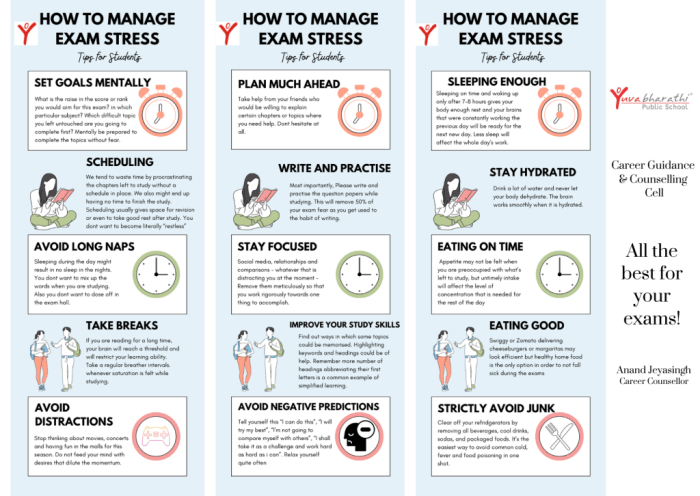
Meal planning and preparation are essential for navigating a busy lifestyle while maintaining a healthy diet. By taking the time to plan ahead, you can save time, money, and make healthier choices.

Sample Meal Plan for a Busy Week

A sample meal plan can help you visualize how to incorporate healthy and convenient options into your week. Here’s an example for a busy individual:

Monday

Breakfast

Overnight oats with berries and nuts

Lunch

Leftover chicken salad sandwich on whole-wheat bread with a side of fruit

Dinner

Lentil soup with whole-wheat bread

Tuesday

Breakfast

Smoothie with protein powder, spinach, and banana

Lunch

Salad with grilled chicken or tofu, mixed greens, and a light vinaigrette

Dinner

Salmon with roasted vegetables

Wednesday

Breakfast

Greek yogurt with granola and fruit

Lunch

Leftover salmon with roasted vegetables

Dinner

Vegetable stir-fry with brown rice

Thursday

Breakfast

Eggs with whole-wheat toast and avocado

Lunch

Quinoa salad with chickpeas, bell peppers, and feta cheese

Dinner

Chicken and vegetable skewers with a side of quinoa

Friday

Breakfast

Oatmeal with fruit and nuts

Lunch

Leftover chicken and vegetable skewers

Dinner

Pizza with whole-wheat crust, vegetables, and lean protein

Saturday

Breakfast

Pancakes with fruit and syrup

Lunch

Leftover pizza

Dinner

Out to dinner with friends or family

Sunday

Breakfast

Eggs with whole-wheat toast and avocado

Lunch

Leftover chicken and vegetable skewers

Dinner

Roasted chicken with roasted vegetables

Tips for Efficient Meal Preparation

Efficient meal preparation strategies can save you time and effort in the kitchen. Here are some tips:* Batch cooking:Cook large quantities of food at once and freeze portions for later use. This is a great way to save time on weeknights.

Meal prepping

Set aside time on the weekend to prepare meals for the week ahead. This could involve chopping vegetables, cooking grains, or assembling salads.

Use a slow cooker

Slow cookers are great for making meals that require minimal effort. Simply throw in your ingredients and let the slow cooker do the work.

Plan ahead

Take a few minutes each week to plan your meals and make a grocery list. This will help you stay organized and avoid impulse purchases.

Benefits of Using Meal Delivery Services

Meal delivery services can be a convenient option for busy individuals. Here are some benefits:* Convenience:Meal delivery services take the hassle out of meal planning and preparation. They deliver pre-portioned meals directly to your door.

Healthy options

Many meal delivery services offer healthy and nutritious meal options. They can help you eat more fruits, vegetables, and whole grains.

Variety

Meal delivery services often offer a variety of meal options, so you can choose something different every day.

Snacking Smartly on the Go

Snacking is a crucial part of maintaining energy levels and staying on track with your nutritional goals, especially when you’re leading a busy lifestyle. Making smart choices about your snacks can help you avoid energy crashes, curb cravings, and keep your body fueled throughout the day.

Importance of Balanced Snacking

Choosing snacks that provide a balance of protein, carbohydrates, and healthy fats is essential for sustained energy and optimal nutrition. Protein helps keep you feeling full and satisfied, while carbohydrates provide quick energy. Healthy fats, like those found in nuts and seeds, promote satiety and support brain function.

Healthy and Portable Snacks

Here are some healthy and portable snack options that can provide sustained energy and keep you feeling satisfied:

      • Trail Mix:A mix of nuts, seeds, dried fruit, and dark chocolate offers a good balance of protein, carbohydrates, and healthy fats.
      • Hard-Boiled Eggs:A great source of protein and essential nutrients, hard-boiled eggs are easy to pack and eat on the go.
      • Greek Yogurt with Berries:Greek yogurt provides protein and calcium, while berries offer fiber and antioxidants.
      • Fruit and Nut Butter:Apples, bananas, or pears paired with almond butter or peanut butter offer a satisfying combination of carbohydrates, protein, and healthy fats.
      • Whole-Grain Crackers with Cheese:Whole-grain crackers provide fiber, while cheese offers protein and calcium.
      • Energy Bars:Choose energy bars that are low in sugar and high in protein and fiber.
      • Hummus and Veggie Sticks:Hummus is a great source of protein and healthy fats, while veggie sticks provide fiber and vitamins.
      • Popcorn:Air-popped popcorn is a low-calorie snack that is high in fiber.
      • Smoothies:Blend together fruits, vegetables, yogurt, and protein powder for a quick and nutritious snack.

Hydration for Optimal Functioning

Best nutritional balance tips for busy lifestyles and on-the-go eating

Water is essential for life and plays a vital role in numerous bodily functions. Staying hydrated is crucial for maintaining overall health and well-being, especially when leading a busy lifestyle.

Importance of Hydration

Adequate hydration is essential for various bodily functions, including:* Regulating Body Temperature:Water helps regulate body temperature by absorbing and releasing heat.

Transporting Nutrients and Oxygen

Water acts as a solvent, carrying nutrients and oxygen to cells throughout the body.

Flushing Out Waste Products

Water helps remove waste products from the body through urine and sweat.

Maintaining Joint Lubrication

Water helps lubricate joints, reducing friction and preventing pain.

Protecting Organs and Tissues

Water cushions and protects organs and tissues from damage.

Tips for Staying Hydrated Throughout the Day

Staying hydrated throughout the day, especially when on the go, can be challenging. Here are some tips to help you maintain adequate hydration:* Carry a Water Bottle:Keep a reusable water bottle with you at all times and refill it throughout the day.

Drink Water Before, During, and After Exercise

Water loss through sweat is increased during exercise, so it’s essential to stay hydrated before, during, and after workouts.

Choose Water Over Sugary Beverages

Opt for water over sugary drinks like soda and juice, which can dehydrate you and contribute to weight gain.

Eat Fruits and Vegetables with High Water Content

Fruits and vegetables like watermelon, cucumbers, and spinach are rich in water and can contribute to your daily hydration needs.

Monitor Your Urine Color

Pale yellow urine is a sign of good hydration, while dark yellow urine indicates dehydration.

Listen to Your Body

Pay attention to your thirst cues and drink water whenever you feel thirsty.

Benefits of Drinking Water Over Sugary Beverages

Drinking water offers numerous benefits over sugary beverages:* Weight Management:Sugary drinks are high in calories and contribute to weight gain. Water, on the other hand, is calorie-free.

Improved Blood Sugar Control

Sugary drinks can spike blood sugar levels, while water does not affect blood sugar.

Reduced Risk of Chronic Diseases

Sugary drinks have been linked to an increased risk of chronic diseases like type 2 diabetes, heart disease, and some types of cancer.

Improved Skin Health

Water helps keep skin hydrated and radiant.

Eating Out Wisely

Eating out is a common part of modern life, but it can be challenging to make healthy choices when surrounded by tempting and often unhealthy options. However, with a little planning and awareness, you can enjoy dining out without compromising your nutritional goals.

Identifying Healthy Options on Menus

Navigating restaurant menus to find healthy choices can be overwhelming. Here are some strategies to help you make informed decisions:

      • Look for dishes that are grilled, baked, or steamed, as these cooking methods generally use less fat and calories than frying.
      • Choose lean protein sources such as fish, chicken breast, or tofu, and avoid dishes that are breaded or fried.
      • Opt for salads with grilled protein or lean meats, and request dressing on the side to control portion sizes.
      • Explore vegetarian or vegan options, which often feature fresh vegetables and healthy grains.
      • Check for menus that highlight nutritional information, such as calorie counts and ingredients lists, to make informed choices.

Negotiating with Restaurants for Healthier Meals

Many restaurants are willing to accommodate dietary restrictions and preferences. Here are some tips for negotiating with restaurants to customize dishes for a healthier meal:

      • Don’t be afraid to ask questions about ingredients and preparation methods.
      • Request substitutions, such as swapping fried foods for grilled options or substituting regular pasta for whole-grain pasta.
      • Ask for sauces and dressings on the side to control portion sizes.
      • Be polite and respectful when communicating your requests.
      • If a restaurant is unable to accommodate your needs, don’t hesitate to choose a different establishment.

Tips for Making Healthy Choices When Dining Out, Best nutritional balance tips for busy lifestyles and on-the-go eating

Here are some additional tips for making healthy choices when dining out:

      • Start your meal with a salad or soup to fill you up and reduce your overall calorie intake.
      • Order appetizers to share, which can help you control portion sizes.
      • Avoid sugary drinks and opt for water, unsweetened tea, or sparkling water with a squeeze of lemon.
      • Be mindful of portion sizes and don’t feel pressured to finish everything on your plate.
      • If you’re unsure about a dish, ask your server for recommendations or nutritional information.

Stress Management and Its Impact on Nutrition

Stress is an inevitable part of life, but it can significantly impact our eating habits and overall well-being. When we’re stressed, our bodies release hormones like cortisol, which can trigger cravings for unhealthy foods high in sugar, fat, and salt.

These cravings can lead to overeating, poor nutritional choices, and ultimately, negative health consequences.

The Connection Between Stress and Unhealthy Eating Habits

Stress can lead to a variety of unhealthy eating habits. For example, some people may turn to comfort foods high in calories and fat to cope with stress, while others may skip meals altogether due to feeling overwhelmed or exhausted.

Stress can also disrupt our sleep patterns, leading to fatigue and increased cravings for sugary and processed foods.

Strategies for Managing Stress and Maintaining a Healthy Diet

Managing stress is crucial for maintaining a healthy diet. Here are some practical strategies:

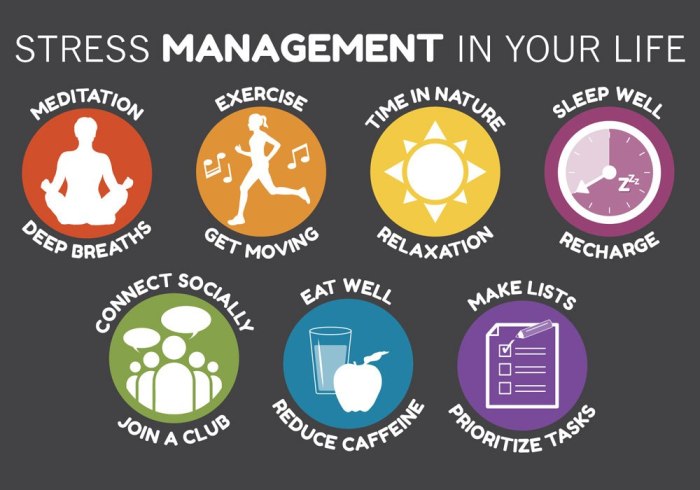
Practicing Mindfulness and Relaxation Techniques

Mindfulness and relaxation techniques can help reduce stress levels and promote healthy eating habits. These techniques can help us become more aware of our thoughts, feelings, and physical sensations, enabling us to make conscious choices about our food intake.

Examples of mindfulness and relaxation techniques include:

      • Deep Breathing Exercises: Deep breathing exercises can help calm the nervous system and reduce stress levels. To practice deep breathing, inhale slowly through your nose, hold your breath for a few seconds, and then exhale slowly through your mouth.Repeat this process several times.
      • Meditation: Meditation involves focusing your attention on a single point, such as your breath or a mantra. Regular meditation practice can help reduce stress, improve focus, and promote emotional well-being.
      • Yoga: Yoga combines physical postures, breathing techniques, and meditation to promote relaxation and stress reduction. Many different types of yoga are available, so you can find one that suits your needs and preferences.

Prioritizing Sleep

Getting enough sleep is essential for managing stress and maintaining a healthy diet. When we’re sleep-deprived, our bodies produce more cortisol, which can lead to increased cravings for unhealthy foods. Aim for 7-8 hours of sleep per night to help regulate your hormones and improve your overall well-being.

Engaging in Physical Activity

Regular physical activity is a powerful stress reliever and can improve your overall health. Exercise releases endorphins, which have mood-boosting effects. It also helps reduce cortisol levels and improve sleep quality. Aim for at least 30 minutes of moderate-intensity exercise most days of the week.

Seeking Support

Don’t hesitate to reach out for support if you’re struggling to manage stress. Talking to a therapist or counselor can help you develop healthy coping mechanisms and strategies for managing stress. Joining a support group can also provide a sense of community and shared experiences.

The Role of Sleep in Nutritional Balance

Sleep is a fundamental pillar of overall health, including nutritional well-being. It plays a crucial role in regulating appetite, managing weight, and making healthy food choices.

The Link Between Sleep Quality and Dietary Choices

Adequate sleep supports healthy eating habits by influencing our hormonal balance and cognitive function. When we are well-rested, our bodies produce leptin, a hormone that signals fullness, and suppress ghrelin, the hormone that stimulates hunger. This balance helps us feel satisfied after meals and prevents overeating.

On the other hand, sleep deprivation disrupts this delicate equilibrium, leading to an increase in ghrelin and a decrease in leptin. This hormonal imbalance can lead to increased hunger, cravings for unhealthy foods, and difficulty controlling portions. Furthermore, sleep deprivation impairs our decision-making abilities, making it harder to resist tempting food choices.

The Impact of Sleep Deprivation on Hunger Hormones and Food Cravings

Studies have shown a strong correlation between sleep deprivation and increased appetite, particularly for calorie-dense, high-fat, and sugary foods. When we are sleep-deprived, our brains are less able to process signals from our bodies, including those related to hunger and satiety.

This can lead to overeating, as we may not recognize when we are full. Moreover, sleep deprivation can trigger the release of cortisol, a stress hormone that promotes fat storage and increases cravings for unhealthy foods.

Tips for Improving Sleep Hygiene to Support Healthy Eating Habits

Establishing a consistent sleep schedule, creating a relaxing bedtime routine, and optimizing your sleep environment can significantly improve your sleep quality and contribute to healthier eating habits.

      • Stick to a Regular Sleep Schedule:Go to bed and wake up around the same time each day, even on weekends, to regulate your body’s natural sleep-wake cycle.
      • Create a Relaxing Bedtime Routine:Engage in calming activities such as taking a warm bath, reading a book, or listening to soothing music to signal your body that it’s time to wind down.
      • Optimize Your Sleep Environment:Ensure your bedroom is dark, quiet, and cool, and use a comfortable mattress and pillows. Avoid caffeine and alcohol before bed, as they can disrupt sleep.
      • Limit Screen Time Before Bed:The blue light emitted from electronic devices can interfere with melatonin production, a hormone that regulates sleep. Try to avoid using screens for at least an hour before bedtime.

Healthy Habits for Long-Term Success

Adopting healthy habits is crucial for maintaining a balanced diet and overall well-being. These habits are not just about short-term changes; they are about creating a sustainable lifestyle that supports your health goals.

Consistency and Gradual Change

Consistency is key to making healthy habits stick. Instead of drastic overhauls, focus on making small, gradual changes that you can sustain over time. This approach reduces the risk of feeling overwhelmed and helps you build momentum.

Motivational Strategies

Staying committed to healthy eating goals requires motivation. Here are some strategies to keep you on track:

      • Set Realistic Goals:Avoid setting unrealistic goals that are difficult to achieve. Start with small, achievable changes and gradually increase your efforts.
      • Find Support:Surround yourself with supportive friends, family, or a community that encourages your healthy lifestyle choices.
      • Reward Yourself:Celebrate your progress and achievements, no matter how small. This helps maintain your motivation and reinforces positive behaviors.
      • Track Your Progress:Keeping a food journal or using a fitness tracker can help you visualize your progress and stay accountable.
      • Focus on the Benefits:Remind yourself of the long-term benefits of healthy eating, such as increased energy, improved mood, and reduced risk of chronic diseases.

Additional Tips for Maintaining Nutritional Balance

In addition to the strategies already discussed, here are some extra tips to help you achieve and maintain a healthy nutritional balance, even with a busy lifestyle.

Incorporating Whole Foods into a Busy Lifestyle

Making time for whole foods, even with a busy schedule, is essential for optimal health. Here are some practical tips:

      • Plan Ahead:Dedicate a few hours each week to meal prep. Prepare large batches of grains, vegetables, and protein sources to have on hand for quick meals and snacks throughout the week.
      • Choose Convenience Wisely:Opt for frozen fruits and vegetables, pre-cut salad kits, or pre-cooked protein options to save time.
      • Embrace Snacking:Keep healthy snacks like nuts, seeds, fruits, and yogurt readily available to prevent hunger pangs and impulsive unhealthy choices.
      • Make Time for Cooking:Even if it’s just a few nights a week, try to cook at home to control ingredients and portion sizes.

Benefits of Using a Food Journal

A food journal can be a powerful tool for understanding your eating habits and making positive changes.

      • Increased Awareness:Recording your food intake can help you identify patterns, triggers, and areas where you can make improvements.
      • Accountability:Knowing that you’re tracking your food can encourage you to make healthier choices.
      • Improved Portion Control:A food journal can help you become more mindful of your portion sizes and avoid overeating.
      • Data for Professionals:If you’re working with a registered dietitian or nutritionist, a food journal can provide valuable data to help them tailor a plan specifically for you.

Seeking Professional Guidance

A registered dietitian or nutritionist can provide personalized advice and support to help you achieve your nutritional goals.

      • Tailored Plans:A professional can create a meal plan that aligns with your individual needs, preferences, and lifestyle.
      • Addressing Specific Concerns:They can help you manage conditions like diabetes, heart disease, or food allergies.
      • Motivation and Support:A registered dietitian can provide encouragement and accountability, helping you stay on track with your healthy eating goals.

Final Thoughts

Balancing nutrition with a busy lifestyle is a journey, not a destination. Remember, small, consistent changes can make a big difference. By prioritizing nutrient-rich foods, planning ahead, and making conscious choices, you can nourish your body and maintain your energy levels, even on the busiest of days.

Embrace these tips, and discover the joy of feeling your best, both inside and out!

FAQ Insights

What are some quick and easy meals I can prepare for a busy week?

Quick and easy meals for a busy week include: salads with grilled chicken or fish, whole-wheat pasta with vegetables and lean protein, overnight oats, smoothies, and pre-made soup.

How can I make healthier choices when dining out?

When dining out, choose grilled or baked options over fried, request sauces and dressings on the side, and opt for lean protein sources and plenty of vegetables. You can also ask for substitutions to make dishes healthier, like swapping white rice for brown rice or asking for your meal to be prepared without added salt or butter.

How can I stay hydrated throughout the day, especially when I’m on the go?

Carry a reusable water bottle with you and refill it throughout the day. You can also opt for water-rich fruits and vegetables, like watermelon, cucumbers, and spinach. Avoid sugary drinks like soda and juice, which can dehydrate you.

Boost Your Immunity: Diet and Nutrition Strategies

How to improve immune support through diet and nutrition

How to improve immune support through diet and nutrition is a topic that’s gained significant attention in recent years. Our immune system, the body’s natural defense against illness, is intricately linked to the foods we consume. By making strategic choices about what we eat, we can empower our bodies to fight off infections and maintain overall well-being.

This guide explores the vital role of nutrition in bolstering our immune defenses, offering practical tips and insights to help you optimize your immune health.

From understanding the foundational role of essential nutrients to discovering power foods that pack an immune-boosting punch, we’ll delve into a comprehensive approach to immune support through diet and nutrition. We’ll also explore the importance of hydration, the potential benefits of supplements, and lifestyle factors that contribute to a robust immune system.

Whether you’re seeking to prevent illness or simply enhance your overall health, this guide provides a roadmap to a stronger, more resilient you.

The Foundation of a Strong Immune System

How to improve immune support through diet and nutrition

A robust immune system is crucial for protecting your body from infections and diseases. Nutrition plays a vital role in supporting and strengthening your immune defenses. By consuming a balanced diet rich in essential nutrients, you can empower your body to fight off invaders effectively.

The Role of Nutrition in Immune Function

Your immune system is a complex network of cells, tissues, and organs that work together to protect your body from harmful invaders such as bacteria, viruses, and parasites. Nutrition plays a crucial role in supporting the various components of your immune system, ensuring they function optimally.

A balanced diet provides the building blocks and fuel necessary for immune cells to develop, mature, and function effectively. Essential nutrients, such as vitamins, minerals, and antioxidants, directly influence the activity and responsiveness of immune cells.

Essential Nutrients for Immune Support

A diverse range of nutrients contribute to a robust immune system. Here are some of the key players:

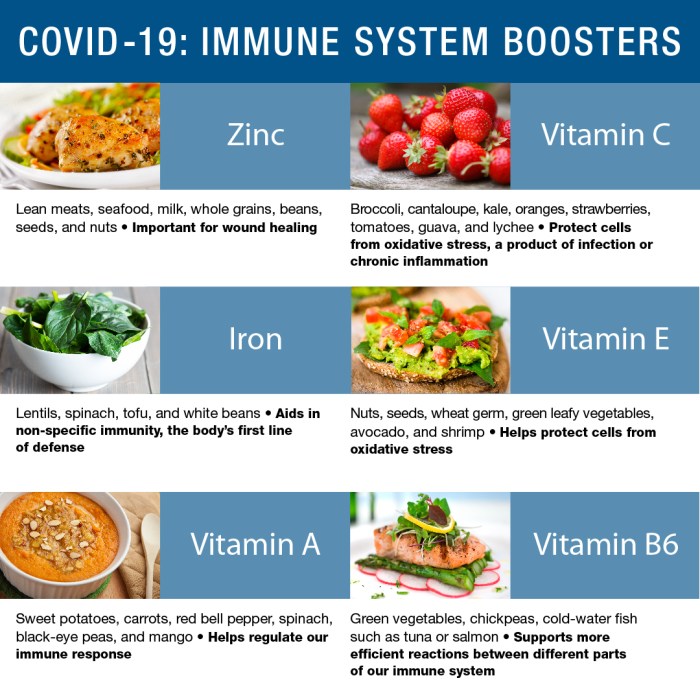
  • Vitamin C:This powerful antioxidant is essential for the production of white blood cells, which are the front-line defenders against infections. It also helps to protect cells from damage caused by free radicals, which can weaken the immune system.
  • Vitamin D:This vitamin is vital for the proper functioning of immune cells, including T cells, which are responsible for targeting and destroying infected cells.

  • Zinc:This mineral plays a crucial role in immune cell development and function. It also supports the production of white blood cells and helps to regulate the immune response.
  • Selenium:This mineral is an essential component of enzymes that protect cells from oxidative stress, which can damage immune cells and weaken the immune response.

  • Probiotics:These beneficial bacteria found in fermented foods like yogurt and kimchi contribute to a healthy gut microbiome, which plays a crucial role in immune function. A healthy gut microbiome supports the production of immune cells and helps to regulate the immune response.

Power Foods for Immune Boosting

A robust immune system relies on a steady supply of essential nutrients. Certain foods are packed with vitamins, minerals, and antioxidants that can bolster your body’s defenses against infections and illnesses. These power foods act as fuel for your immune cells, helping them function optimally.

Foods Rich in Antioxidants, Vitamins, and Minerals

Consuming a diverse range of fruits, vegetables, and whole grains provides your body with a spectrum of nutrients crucial for immune health. Here are some power foods that stand out for their immune-boosting properties:

  • Citrus fruits:Oranges, grapefruits, lemons, and limes are excellent sources of vitamin C, a potent antioxidant that supports the production of white blood cells, which are essential for fighting infections.
  • Garlic:This pungent bulb is known for its antimicrobial and antiviral properties. Garlic contains allicin, a compound that boosts the immune system and may help fight infections.
  • Ginger:Ginger has anti-inflammatory and immune-boosting properties. It can help reduce inflammation and support the body’s natural defenses against illness.
  • Leafy green vegetables:Spinach, kale, and collard greens are rich in vitamins A, C, and K, as well as antioxidants, all of which contribute to a strong immune system.
  • Bell peppers:Red bell peppers are particularly high in vitamin C, providing even more than citrus fruits. They also contain vitamin A, which is important for healthy skin and mucous membranes, the body’s first line of defense against infections.
  • Broccoli:This cruciferous vegetable is packed with vitamins C and K, as well as antioxidants like sulforaphane, which may help protect against cancer and boost immune function.
  • Yogurt:Yogurt, especially those containing live and active cultures, is a good source of probiotics, which are beneficial bacteria that support gut health. A healthy gut microbiome is essential for a strong immune system.
  • Almonds:Almonds are rich in vitamin E, a powerful antioxidant that helps protect cells from damage and supports immune function.
  • Sweet potatoes:Sweet potatoes are an excellent source of vitamin A, which is crucial for immune cell development and function. They also contain beta-carotene, which the body converts into vitamin A.

Sample Meal Plan for a Week

Incorporating these power foods into your daily diet can significantly enhance your immune system’s strength. Here’s a sample meal plan that highlights immune-boosting foods:

Day Breakfast Lunch Dinner
Monday Oatmeal with berries and a sprinkle of almonds Salad with grilled chicken, bell peppers, and spinach Salmon with roasted broccoli and a side of brown rice
Tuesday Yogurt with fruit and a drizzle of honey Turkey sandwich on whole-wheat bread with lettuce, tomato, and avocado Lentil soup with a side of whole-wheat bread
Wednesday Scrambled eggs with spinach and a slice of whole-wheat toast Chicken stir-fry with broccoli, carrots, and ginger Chicken and vegetable curry with brown rice
Thursday Smoothie with spinach, banana, and almond milk Tuna salad sandwich on whole-wheat bread with lettuce and tomato Pasta with marinara sauce and a side of leafy greens
Friday Pancakes with fruit and a sprinkle of nuts Quinoa salad with grilled tofu, bell peppers, and onions Shrimp scampi with a side of steamed vegetables
Saturday Breakfast burrito with eggs, black beans, and salsa Leftover chicken and vegetable curry Pizza with vegetables and whole-wheat crust
Sunday French toast with fruit and a sprinkle of cinnamon Soup and salad Roasted chicken with sweet potatoes and asparagus

Benefits of Specific Immune-Boosting Foods

While many foods contribute to immune health, certain foods stand out for their specific benefits:

  • Citrus fruits:Vitamin C is a potent antioxidant that supports the production of white blood cells, which are essential for fighting infections. Studies have shown that vitamin C supplementation can reduce the duration and severity of colds.
  • Garlic:Garlic contains allicin, a compound with antimicrobial and antiviral properties. Allicin has been shown to boost the immune system and may help fight infections. In one study, garlic supplements were found to reduce the incidence of colds by 63%.
  • Ginger:Ginger has anti-inflammatory and immune-boosting properties. It can help reduce inflammation and support the body’s natural defenses against illness. Ginger has also been shown to reduce nausea and vomiting, which can be helpful during illness.
  • Leafy green vegetables:Leafy green vegetables are packed with vitamins A, C, and K, as well as antioxidants, all of which contribute to a strong immune system. Vitamin A is essential for immune cell development and function, while vitamin C supports white blood cell production.

    Vitamin K is important for blood clotting and wound healing, which are crucial for recovery from illness.

The Importance of Hydration

Water is essential for life, and it plays a crucial role in maintaining a healthy immune system. Just like a well-oiled machine, our body needs the right amount of fluids to function properly.

The Role of Water in Immune Function

Water is involved in many essential bodily processes that directly impact our immune response. Here’s how:* Transporting Immune Cells:Water acts as a vehicle to transport immune cells throughout the body. These cells, like white blood cells, are responsible for fighting off infections and diseases.

Without adequate hydration, these cells may not be able to reach their destinations effectively, hindering the immune response.

Flushing Out Toxins

Water helps flush out waste products and toxins from the body. These toxins can weaken the immune system, making us more susceptible to illness.

Maintaining Body Temperature

Water helps regulate body temperature, which is essential for optimal immune function. When we are dehydrated, our bodies struggle to maintain a stable temperature, potentially impacting immune cells’ activity.

Supporting Lymphatic System

The lymphatic system, a crucial part of our immune defense, relies on adequate hydration to function properly. It carries waste and toxins away from tissues and helps circulate immune cells.

The Impact of Dehydration on the Immune System

When we are dehydrated, our bodies go into a state of stress, compromising our immune system. Here’s how dehydration affects our immune response:* Reduced Immune Cell Activity:Dehydration can decrease the number and activity of immune cells, making it harder to fight off infections.

Increased Risk of Infections

Studies have shown that dehydration can increase the risk of respiratory infections, including colds and flu.

Delayed Wound Healing

Water is crucial for wound healing. Dehydration can slow down the healing process, making us more vulnerable to infections.

Daily Water Intake Recommendations

To ensure optimal immune function, it’s essential to stay hydrated throughout the day. The recommended daily water intake varies based on factors like age, activity level, and climate. However, a general guideline is to drink around 8 glasses of water daily.

Tip:Pay attention to your body’s signals. If you feel thirsty, it’s a sign that you are already slightly dehydrated. Make sure to drink water regularly throughout the day, even when you don’t feel thirsty.

Nutritional Supplements for Immune Support

How to improve immune support through diet and nutrition

While a balanced diet provides the foundation for a strong immune system, certain nutritional supplements can offer additional support. These supplements can help fill potential gaps in nutrient intake and enhance immune function.

Benefits and Risks of Immune-Boosting Supplements

It’s important to understand both the potential benefits and risks associated with using nutritional supplements for immune support. While supplements can be helpful, they are not a substitute for a healthy diet and lifestyle.

  • Potential Benefits:Supplements like vitamin C, D, and zinc can help strengthen the immune system by supporting various immune cells and processes. For example, vitamin C is an antioxidant that helps protect cells from damage, while vitamin D plays a role in immune cell regulation.

    Zinc is essential for immune cell development and function.

  • Potential Risks:Excessive intake of certain supplements can lead to adverse effects. For instance, high doses of vitamin C can cause gastrointestinal upset, while excessive vitamin D intake can lead to calcium buildup in the body. It’s crucial to follow recommended dosage guidelines and consult with a healthcare professional before taking any supplements, especially if you have underlying health conditions or are taking medications.

Choosing and Using Supplements Safely and Effectively

Choosing and using supplements safely and effectively involves careful consideration and adherence to guidelines.

  • Choose Reputable Brands:Opt for supplements from reputable brands that have been tested for quality and purity. Look for products that have been third-party verified by organizations like NSF International or USP.
  • Follow Dosage Recommendations:Always follow the recommended dosage on the supplement label. Excessive intake can be harmful, so it’s important to stay within safe limits.
  • Consult with a Healthcare Professional:If you have any concerns about using supplements, consult with a doctor or registered dietitian. They can help you determine if supplements are right for you and recommend appropriate dosages.

Lifestyle Factors for a Healthy Immune System

In addition to diet and nutrition, several lifestyle factors play a crucial role in supporting a robust immune system. These factors influence the body’s ability to fight off infections and maintain overall health.

The Impact of Stress on Immune Function

Stress, whether physical or emotional, can significantly impact immune function. When the body experiences stress, it releases hormones like cortisol, which can suppress the immune system’s ability to fight off infections. Chronic stress can lead to a weakened immune system, making individuals more susceptible to illnesses.

  • Increased susceptibility to infections:Studies have shown that prolonged stress can increase the risk of developing common colds, flu, and other infections. This is because stress hormones suppress the immune system’s ability to fight off pathogens.
  • Impaired wound healing:Stress can also delay wound healing, as it interferes with the body’s natural repair mechanisms.

  • Exacerbation of autoimmune diseases:In individuals with autoimmune diseases, stress can trigger flare-ups and worsen symptoms.

The Importance of Regular Exercise for Immune Health

Regular exercise has a positive impact on immune function. It promotes circulation, strengthens the cardiovascular system, and helps the body effectively fight off infections. Engaging in moderate-intensity exercise for at least 30 minutes most days of the week can boost immune function.

  • Enhanced circulation:Exercise improves blood flow, allowing immune cells to circulate efficiently throughout the body, reaching areas where they are needed to fight infections.
  • Improved lymphatic drainage:Exercise helps to move lymph fluid, which contains immune cells, throughout the body, enhancing immune response.
  • Reduced inflammation:Regular exercise can help reduce chronic inflammation, which is associated with a weakened immune system.

The Benefits of Adequate Sleep for a Strong Immune System

Getting enough sleep is essential for a healthy immune system. During sleep, the body produces cytokines, proteins that help regulate immune responses and fight off infections. Adequate sleep also allows the body to repair and regenerate tissues, which is crucial for immune function.

  • Increased cytokine production:During sleep, the body produces cytokines, which are essential for immune cell communication and activation.
  • Improved cell repair and regeneration:Sleep allows the body to repair and regenerate tissues, including immune cells, enhancing immune function.
  • Enhanced antibody production:Studies have shown that sleep deprivation can reduce antibody production, making individuals more susceptible to infections.

The Role of Probiotics and Gut Health

Your gut is home to trillions of bacteria, both good and bad, collectively known as the gut microbiome. This complex ecosystem plays a crucial role in your overall health, including your immune system. A healthy gut microbiome is characterized by a balanced population of beneficial bacteria, which contribute to various functions, including immune regulation.

The Link Between Gut Health and Immune Function

The gut microbiome is intricately linked to the immune system. About 70% of the immune system is located in the gut, where it interacts with the trillions of bacteria residing there. The gut microbiome influences the development and function of the immune system by:

  • Training the Immune System:The gut microbiome exposes the immune system to a vast array of antigens, helping it to learn to distinguish between harmful pathogens and harmless microbes. This training process is essential for the immune system’s ability to respond appropriately to threats.

  • Producing Anti-inflammatory Compounds:Beneficial bacteria produce short-chain fatty acids (SCFAs), which have anti-inflammatory properties. SCFAs help to regulate immune responses and prevent excessive inflammation.
  • Creating a Barrier Against Pathogens:The gut microbiome forms a protective barrier that prevents harmful bacteria from entering the bloodstream. This barrier helps to prevent infections and maintain overall health.

How Probiotics Can Contribute to a Healthy Gut Microbiome

Probiotics are live microorganisms that, when consumed in adequate amounts, provide health benefits to the host. They are often referred to as “good bacteria” because they contribute to a healthy gut microbiome. Probiotics can:

  • Increase the Population of Beneficial Bacteria:Probiotics supplement the gut with beneficial bacteria, helping to restore balance and diversity to the microbiome.
  • Improve Digestion and Nutrient Absorption:Probiotics aid in digestion by producing enzymes that break down food and promoting the absorption of nutrients.
  • Reduce Inflammation:Probiotics can reduce inflammation in the gut by producing SCFAs and other anti-inflammatory compounds.

Incorporating Probiotics into Your Diet

There are several ways to incorporate probiotics into your diet:

  • Consume Fermented Foods:Fermented foods, such as yogurt, kefir, sauerkraut, kimchi, and miso, are naturally rich in probiotics. Look for varieties that are unsweetened and contain live and active cultures.
  • Take Probiotic Supplements:Probiotic supplements are available in various forms, including capsules, tablets, and powders. Choose supplements that contain a variety of strains and are backed by scientific evidence.
  • Make Probiotic-Rich Foods at Home:You can easily make your own fermented foods at home using readily available ingredients. There are numerous online resources and cookbooks that provide detailed instructions.

Avoiding Immune-Compromising Habits

While a healthy diet and lifestyle are crucial for a robust immune system, certain habits can undermine your body’s natural defenses. These habits can compromise your immune function, leaving you more susceptible to infections and illnesses. It’s essential to be aware of these habits and take steps to avoid them.

The Impact of Smoking and Alcohol Consumption, How to improve immune support through diet and nutrition

Smoking and excessive alcohol consumption have a detrimental effect on your immune system. Smoking damages your lungs and weakens your body’s ability to fight off infections. Nicotine, a primary component of cigarettes, impairs the function of white blood cells, which are essential for fighting off infections.

Additionally, smoking can increase your risk of chronic diseases like lung cancer and heart disease, further compromising your overall health.

Alcohol consumption, particularly in excess, also weakens your immune system. Excessive alcohol intake can suppress the immune response, making you more vulnerable to infections. It can also damage your liver, which plays a crucial role in filtering toxins and producing immune cells.

Limiting alcohol consumption or abstaining altogether is essential for maintaining a healthy immune system.

The Importance of Avoiding Processed Foods and Excessive Sugar Intake

Processed foods and excessive sugar intake can significantly impact your immune health. Processed foods are often high in unhealthy fats, sugar, and sodium, which can contribute to inflammation and weaken your immune system. Excessive sugar intake can lead to insulin resistance, which can further suppress your immune response.

Additionally, sugar can feed harmful bacteria in your gut, potentially disrupting the delicate balance of your gut microbiome, which is crucial for a healthy immune system.

  • Opt for whole, unprocessed foods like fruits, vegetables, lean protein, and whole grains. These foods are packed with essential nutrients that support a strong immune system.
  • Limit your intake of processed foods, sugary drinks, and refined carbohydrates. These foods provide little nutritional value and can contribute to inflammation and weakened immunity.

Maintaining a Healthy Weight for Immune Health

Maintaining a healthy weight is crucial for a robust immune system. Obesity can contribute to chronic inflammation, which weakens your immune response. Excess body fat can also disrupt the balance of your gut microbiome, further compromising your immune function.

If you are overweight or obese, losing even a small amount of weight can have a significant impact on your immune health. Aim for gradual weight loss through a balanced diet and regular exercise. Talk to your doctor about a weight management plan that is right for you.

Seeking Professional Guidance

While this guide provides valuable information on boosting your immune system, it’s crucial to remember that everyone is unique. A one-size-fits-all approach to diet and nutrition may not be the best strategy for everyone.

Personalized Dietary Advice

Consulting with a healthcare professional, specifically a registered dietitian or nutritionist, is essential for personalized dietary advice. These professionals are trained to assess your individual needs, taking into account factors such as your medical history, current health status, allergies, and lifestyle.

They can help you develop a customized dietary plan that supports your immune system while meeting your overall health goals.

When to Seek Medical Attention

While a healthy diet and lifestyle can significantly contribute to a strong immune system, it’s important to seek medical attention if you experience any concerning symptoms related to your immune system. These may include:

  • Frequent or persistent infections
  • Unexplained weight loss
  • Fatigue that doesn’t improve with rest
  • Swollen lymph nodes
  • Recurring skin rashes or sores

These symptoms could indicate an underlying health condition that requires medical intervention.

Finding Qualified Nutritionists and Dietitians

Finding a qualified nutritionist or dietitian is essential for receiving accurate and personalized advice. Here are some resources to help you find a professional in your area:

  • Academy of Nutrition and Dietetics:This professional organization offers a search tool to find registered dietitians in your location. You can filter your search by specialty, such as sports nutrition, weight management, or pediatrics.
  • American College of Lifestyle Medicine:This organization offers a directory of healthcare professionals specializing in lifestyle medicine, including nutritionists and dietitians.
  • Your primary care physician:Your doctor can recommend qualified nutritionists or dietitians in your area who have experience working with patients with similar health concerns.

Ultimate Conclusion: How To Improve Immune Support Through Diet And Nutrition

By embracing a diet rich in immune-boosting foods, staying hydrated, incorporating healthy lifestyle habits, and seeking professional guidance when needed, you can empower your body’s natural defenses and enjoy a healthier, more vibrant life. Remember, the power to strengthen your immune system lies within your own choices.

Nourish your body wisely, and reap the rewards of a robust and resilient immune system.

FAQ Compilation

What are some easy ways to incorporate more immune-boosting foods into my diet?

Start by adding a variety of colorful fruits and vegetables to your meals. Include citrus fruits, berries, leafy greens, garlic, and ginger. Try adding a handful of nuts or seeds to your yogurt or salads. And don’t forget about the power of spices like turmeric and cinnamon, which have anti-inflammatory properties.

How much water should I drink daily for optimal immune function?

Aim for at least 8 glasses of water per day. Your individual needs may vary depending on your activity level and climate. Listen to your body and drink water throughout the day, especially when you feel thirsty.

Are there any foods I should avoid to support my immune system?

Limit processed foods, sugary drinks, and excessive amounts of saturated and unhealthy fats. These foods can contribute to inflammation and weaken your immune system. Focus on whole, unprocessed foods as much as possible.

Best Healthy Recipes for Quick Weeknight Dinners in 2024

Best healthy recipes for quick weeknight dinners in 2024 sets the stage for this enthralling narrative, offering readers a glimpse into a story that is rich in detail and brimming with originality from the outset. Busy weeknights often lead to unhealthy food choices, but it doesn’t have to be that way.

With a little planning and creativity, you can easily prepare nutritious and delicious meals that will satisfy your taste buds and nourish your body. This guide will explore the importance of quick and healthy weeknight dinners, share time-saving techniques, provide recipe ideas, and offer tips for maintaining a balanced diet and stress-free lifestyle.

From incorporating pre-cut vegetables to utilizing one-pan recipes and meal prepping on weekends, this guide will equip you with practical strategies for streamlining your cooking process. We’ll also delve into the nutritional considerations for weeknight dinners, emphasizing the importance of incorporating protein, fiber, vitamins, and minerals into your meals.

We’ll discuss how to create balanced meals that meet individual nutritional needs and dietary restrictions, and provide examples of healthy substitutions for common ingredients.

The Importance of Quick and Healthy Weeknight Dinners

Weeknights can be a whirlwind of activity, making it challenging to prioritize healthy eating. However, preparing quick and healthy dinners during the week is essential for maintaining your well-being. By taking a few proactive steps, you can enjoy delicious and nutritious meals without sacrificing precious time.

Benefits of Quick and Healthy Weeknight Dinners

Quick and healthy weeknight dinners offer numerous benefits, contributing to a balanced lifestyle. They save you time, reduce stress, and promote overall well-being.

  • Time Management:By choosing recipes that require minimal preparation time, you can reclaim valuable hours for other activities. This allows you to spend more quality time with loved ones, pursue hobbies, or simply relax after a long day.
  • Stress Reduction:Cooking can be therapeutic, but it can also be stressful if you’re constantly rushing. Quick and healthy dinners eliminate the pressure of complicated recipes, allowing you to enjoy the process and de-stress after work.
  • Improved Overall Well-being:Consuming nutritious meals during the week helps maintain your energy levels, boosts your immune system, and promotes a sense of well-being. By prioritizing healthy eating, you’re investing in your long-term health and vitality.

Challenges of Maintaining a Healthy Diet During Busy Weeknights

While the benefits of healthy weeknight dinners are undeniable, busy schedules can present challenges. Time constraints, lack of planning, and fatigue can often lead to unhealthy choices.

  • Time Constraints:With work, family commitments, and other responsibilities, finding time to cook a nutritious meal can be difficult. This can lead to relying on takeout or processed foods, which are often high in calories, unhealthy fats, and sodium.
  • Lack of Planning:Failing to plan your meals ahead of time can result in impulsive decisions and unhealthy choices. Without a plan, you’re more likely to grab whatever is convenient, even if it’s not the most nutritious option.
  • Fatigue:After a long day, it’s easy to succumb to fatigue and opt for easy but unhealthy options. Lack of energy can make cooking seem like a chore, leading to unhealthy choices.

Overcoming Challenges and Solutions

Several strategies can help you overcome the challenges of maintaining a healthy diet during busy weeknights.

  • Meal Planning:Dedicate a few hours each week to plan your meals for the upcoming days. This allows you to create a shopping list and ensure you have all the necessary ingredients. Meal planning also helps reduce impulsive decisions and promotes healthy choices.

  • Batch Cooking:Prepare large quantities of ingredients or meals on weekends or evenings when you have more time. This allows you to quickly assemble meals during the week. For example, you can roast a large batch of vegetables that can be used in salads, stir-fries, or soups throughout the week.

  • Utilize Quick and Healthy Recipes:Choose recipes that can be prepared in 30 minutes or less. Many online resources and cookbooks offer a wide variety of quick and healthy dinner ideas.
  • Embrace Convenience Foods:Don’t be afraid to use convenience foods strategically. Frozen vegetables, pre-cut fruits, and pre-cooked grains can be time-savers without compromising nutrition. Choose options with minimal added sugars, sodium, and unhealthy fats.
  • Involve the Family:Make meal preparation a family affair. Involve your children in grocery shopping, meal planning, and cooking. This teaches them about healthy eating habits and promotes a sense of teamwork.

Time-Saving Techniques for Weeknight Meals

Weeknight dinners can be a challenge, especially when you’re juggling work, family, and other commitments. But with a few strategic tips and tricks, you can create healthy and delicious meals without spending hours in the kitchen.

Prepping for Efficiency

Planning ahead is crucial for minimizing meal prep time. This includes using pre-cut vegetables, which are readily available in most grocery stores and can save you significant time. You can also consider investing in a food processor or blender for quick chopping and blending tasks.

One-Pan Wonders

One-pan recipes are a great way to simplify weeknight meals. They require minimal cleanup and often involve minimal prep time. Many recipes combine protein, vegetables, and a flavorful sauce in a single pan, resulting in a complete and satisfying meal.

Weekend Meal Prep

Taking a few hours on the weekend to prepare ingredients for the week ahead can significantly reduce your weeknight cooking time. This could involve chopping vegetables, marinating proteins, or even cooking large batches of grains like quinoa or rice.

Utilizing Appliances

Several appliances can streamline the cooking process, freeing up your time. Slow cookers allow you to throw ingredients into the pot in the morning and come home to a delicious meal. Pressure cookers can cook meals quickly and efficiently, while air fryers provide a healthier alternative to deep frying.

Healthy Recipe Ideas for Busy Weeknights

Finding time to cook healthy meals during the week can be a challenge, especially with busy schedules. But it doesn’t have to be a struggle! There are many delicious and nutritious recipes that can be whipped up quickly and easily, even on the busiest of weeknights.

Healthy Recipe Ideas for Busy Weeknights

Here are a few ideas to get you started:

Recipe Name Ingredients Cooking Time Nutritional Benefits
One-Pan Salmon with Roasted Vegetables Salmon fillets, broccoli florets, cherry tomatoes, olive oil, salt, pepper, lemon juice 25 minutes Rich in protein, omega-3 fatty acids, vitamins, and minerals.
Lentil Soup Lentils, vegetable broth, carrots, celery, onions, garlic, spices (curry powder, cumin, turmeric) 30 minutes High in fiber, protein, and iron. A great source of plant-based protein.
Chicken Fajita Bowls Chicken breasts, bell peppers, onions, fajita seasoning, brown rice, black beans, salsa, avocado 30 minutes A balanced meal with protein, fiber, and healthy fats.
Quinoa Salad with Roasted Chickpeas Quinoa, chickpeas, bell peppers, cucumber, red onion, feta cheese, lemon juice, olive oil 30 minutes A complete protein source, high in fiber, and packed with antioxidants.

Nutritional Considerations for Weeknight Dinners

Even when you’re short on time, it’s important to ensure your weeknight meals provide your body with the essential nutrients it needs to thrive. This means incorporating a balance of protein, fiber, vitamins, and minerals into each meal.

Creating Balanced Meals

Creating balanced meals that meet individual nutritional needs and dietary restrictions is key to healthy eating. A balanced meal typically includes a source of protein, a source of carbohydrates, and a source of healthy fats. This framework can be adapted to accommodate various dietary preferences and restrictions.

For example, individuals following a vegetarian or vegan diet can choose plant-based protein sources like beans, lentils, tofu, or tempeh. Similarly, those with gluten sensitivities can opt for gluten-free grains like quinoa or rice.

Healthy Substitutions

Making small, healthy substitutions in your recipes can significantly boost their nutritional value. For example, swapping white rice for brown rice provides more fiber and nutrients. Using whole-wheat pasta instead of refined pasta offers a similar benefit. Incorporating more vegetables into your meals is another effective strategy.

You can add chopped vegetables to soups, stews, stir-fries, or salads.

Here are some examples of healthy substitutions for common ingredients:

  • Swap white bread for whole-wheat bread.
  • Replace ground beef with ground turkey or lentils.
  • Use olive oil instead of butter.
  • Add fresh or frozen vegetables to your meals.
  • Choose low-fat dairy products.

Stress Management and Healthy Lifestyle

Stress is an inevitable part of life, and it can have a significant impact on our health and well-being. Chronic stress can lead to unhealthy eating habits, which in turn can contribute to a range of health problems. By managing stress effectively, we can make healthier food choices and improve our overall health.

The Connection Between Stress and Food Choices

Stress can significantly influence our food choices. When we are stressed, our bodies release hormones like cortisol, which can increase our cravings for comfort foods, often high in sugar, fat, and salt. These foods provide a temporary sense of satisfaction but can lead to weight gain, nutrient deficiencies, and other health issues.

Strategies for Managing Stress Through Healthy Lifestyle Practices

Stress management is essential for maintaining healthy eating habits and overall well-being. Here are some strategies for managing stress:

  • Regular Exercise:Physical activity is a powerful stress reliever. Exercise releases endorphins, which have mood-boosting effects. Aim for at least 30 minutes of moderate-intensity exercise most days of the week.
  • Mindfulness and Meditation:Mindfulness practices, such as meditation or deep breathing exercises, can help calm the mind and reduce stress. Even a few minutes of mindfulness each day can make a difference.
  • Adequate Sleep:When we are sleep-deprived, our bodies produce more cortisol, making us more susceptible to stress. Aim for 7-8 hours of quality sleep each night.
  • Social Connections:Spending time with loved ones can provide emotional support and reduce stress. Make time for social activities, even if it’s just a quick phone call or a virtual coffee date.
  • Healthy Diet:Eating a balanced diet rich in fruits, vegetables, and whole grains can provide the nutrients your body needs to cope with stress. Avoid processed foods, sugary drinks, and excessive caffeine.

Stress-Reducing Activities for Busy Weeknights, Best healthy recipes for quick weeknight dinners in 2024

Incorporating stress-reducing activities into your busy weeknight routine can make a significant difference in your overall well-being. Here are some ideas:

  • Take a short walk or bike ride:Even a 15-minute walk can help clear your head and reduce stress.
  • Listen to calming music:Music can be a powerful tool for relaxation. Choose music that you find soothing and listen to it while preparing dinner or relaxing before bed.
  • Practice deep breathing exercises:Deep breathing exercises can help calm the nervous system and reduce stress. There are many guided meditation apps available that can help you get started.
  • Read a book or watch a funny movie:Engaging in enjoyable activities can help take your mind off of stress and provide a sense of relaxation.
  • Spend time with a pet:Spending time with pets can be incredibly therapeutic and stress-reducing.

Healthy Habits for Long-Term Well-being: Best Healthy Recipes For Quick Weeknight Dinners In 2024

Beyond preparing quick and healthy weeknight dinners, establishing healthy habits that extend beyond meal preparation is crucial for long-term well-being. These habits encompass aspects like regular exercise, adequate sleep, and proper hydration, all of which contribute to overall health and disease prevention.

The Importance of Regular Exercise

Regular physical activity is essential for maintaining a healthy weight, reducing the risk of chronic diseases, and improving mental well-being.

  • Cardiovascular health:Exercise strengthens the heart and improves blood circulation, reducing the risk of heart disease, stroke, and other cardiovascular problems.
  • Weight management:Physical activity burns calories, helping to maintain a healthy weight or lose excess weight, which is essential for preventing obesity-related diseases.
  • Mental health:Exercise releases endorphins, which have mood-boosting effects and can help reduce stress, anxiety, and depression.
  • Improved sleep:Regular exercise can promote better sleep quality, leading to improved energy levels and overall well-being.

The Role of Adequate Sleep

Getting enough sleep is crucial for physical and mental health.

  • Physical recovery:During sleep, the body repairs and rebuilds tissues, strengthens the immune system, and releases hormones that regulate growth and development.
  • Cognitive function:Sleep is essential for memory consolidation, learning, and decision-making. Lack of sleep can impair cognitive function, leading to reduced concentration, poor judgment, and increased errors.
  • Emotional regulation:Adequate sleep helps regulate emotions and reduces stress, anxiety, and irritability.
  • Disease prevention:Chronic sleep deprivation is linked to an increased risk of chronic diseases, including heart disease, stroke, diabetes, and obesity.

The Significance of Proper Hydration

Water is essential for all bodily functions, and staying hydrated is crucial for overall health.

  • Body temperature regulation:Water helps regulate body temperature by sweating, which cools the body down.
  • Nutrient transport:Water carries nutrients to cells and removes waste products from the body.
  • Joint lubrication:Water lubricates joints, reducing friction and preventing wear and tear.
  • Organ function:Water is essential for the proper functioning of all organs, including the brain, kidneys, and liver.

Tips for Incorporating Healthy Habits into a Busy Lifestyle

Incorporating healthy habits into a busy lifestyle can be challenging, but it is possible with planning and commitment.

  • Schedule exercise:Treat exercise like any other important appointment and schedule it into your week.
  • Prioritize sleep:Aim for 7-9 hours of sleep each night and create a relaxing bedtime routine to promote better sleep.
  • Carry a water bottle:Keep a reusable water bottle with you throughout the day and refill it regularly.
  • Make small changes:Start with small changes and gradually increase your activity levels and healthy food choices.
  • Find support:Join a gym, find an exercise buddy, or connect with a health coach for support and motivation.

Maintaining a Balanced Diet for Optimal Health

A balanced diet is crucial for maintaining optimal health and well-being. It provides your body with the necessary nutrients to function properly, supporting everything from energy levels to immune function. By consuming a variety of foods from all essential food groups, you can ensure your body receives the vital vitamins, minerals, and fiber it needs to thrive.

Food Groups and Their Nutritional Benefits

Consuming a balanced diet involves incorporating foods from all essential food groups into your meals. This ensures you receive a diverse range of nutrients to support your overall health.

Food Group Examples Nutritional Benefits Tips for Incorporating into Weeknight Meals
Fruits Apples, bananas, berries, oranges, grapes Rich in vitamins, minerals, and fiber. They provide antioxidants, which protect against cell damage. Add fruit to breakfast cereal, yogurt, or smoothies. Serve fruit as a side dish with dinner.
Vegetables Broccoli, carrots, spinach, tomatoes, bell peppers Excellent sources of vitamins, minerals, and fiber. They also contain antioxidants and help regulate blood pressure. Include vegetables in stir-fries, salads, soups, and stews. Use them as toppings for pizzas or sandwiches.
Grains Whole wheat bread, brown rice, quinoa, oats Provide complex carbohydrates, fiber, and essential nutrients. Whole grains are particularly beneficial for heart health. Choose whole grain bread and pasta. Incorporate quinoa or brown rice into your meals.
Protein Chicken, fish, beans, lentils, tofu Essential for building and repairing tissues, producing enzymes and hormones, and supporting immune function. Include lean protein sources in your meals. Use beans or lentils in soups, stews, or salads.
Dairy Milk, yogurt, cheese Provide calcium, vitamin D, and protein. They are important for bone health and muscle function. Add dairy products to smoothies or breakfast cereal. Serve cheese with crackers or fruit.

Strategies for Ensuring a Balanced Diet

Balancing your diet on busy weeknights can be challenging. However, there are several strategies you can employ to ensure you’re getting all the essential nutrients:

  • Plan your meals in advance:This will help you make healthier choices and avoid relying on takeout or unhealthy convenience foods.
  • Prepare meals in bulk:Cook a large batch of a healthy dish on the weekend and portion it out for easy weeknight meals.
  • Keep healthy snacks on hand:This will help you avoid unhealthy cravings when you’re short on time.
  • Incorporate fruits and vegetables into every meal:Aim for at least one serving of fruits and vegetables at each meal.
  • Choose whole grains over refined grains:Whole grains are more nutritious and provide more fiber.
  • Limit processed foods:Processed foods are often high in unhealthy fats, sugar, and sodium.
  • Stay hydrated:Drink plenty of water throughout the day to stay hydrated and support your overall health.

The Role of Hydration in Overall Health

Staying hydrated is crucial for overall well-being, especially during busy weeknights when our schedules can easily leave us neglecting our water intake. Adequate hydration plays a vital role in supporting various bodily functions, from physical performance to cognitive function.

The Importance of Staying Hydrated

Maintaining proper hydration is essential for optimal physical and cognitive function. Water is a vital component of our bodies, making up approximately 60% of our total body weight. It participates in numerous physiological processes, including:

  • Regulating Body Temperature:Water helps regulate body temperature by absorbing and releasing heat. This is crucial for maintaining a stable internal environment, particularly during physical activity or exposure to extreme temperatures.
  • Transporting Nutrients and Oxygen:Water acts as a solvent, carrying nutrients and oxygen to cells throughout the body and removing waste products. This ensures proper cellular function and overall health.
  • Lubricating Joints:Water helps lubricate joints, reducing friction and preventing wear and tear. This is especially important for maintaining mobility and flexibility.
  • Protecting Organs and Tissues:Water cushions and protects vital organs and tissues from damage. It helps maintain the integrity of cells and tissues, preventing dehydration-related complications.

Benefits of Adequate Hydration for Physical and Cognitive Function

Adequate hydration is essential for optimal physical and cognitive performance.

  • Improved Physical Performance:Dehydration can significantly impair physical performance, leading to fatigue, muscle cramps, and reduced endurance. Staying hydrated helps maintain energy levels, improve muscle function, and enhance athletic performance.
  • Enhanced Cognitive Function:Dehydration can affect cognitive function, leading to decreased concentration, memory problems, and impaired decision-making. Staying hydrated helps maintain mental clarity, focus, and cognitive performance.
  • Reduced Risk of Kidney Stones:Water helps flush out waste products, including uric acid, which can contribute to kidney stone formation. Staying hydrated can reduce the risk of developing kidney stones.
  • Improved Mood and Energy Levels:Dehydration can lead to headaches, fatigue, and irritability. Staying hydrated helps maintain mood stability, improve energy levels, and promote overall well-being.

Tips for Ensuring Sufficient Water Intake Throughout the Day

Maintaining adequate hydration is crucial for optimal health. Here are some tips for ensuring sufficient water intake throughout the day:

  • Carry a Reusable Water Bottle:Having a water bottle readily available can encourage frequent sips throughout the day. It’s a convenient way to stay hydrated on the go.
  • Set Reminders:Use phone alarms or apps to remind yourself to drink water at regular intervals. This can help you stay on track and avoid becoming dehydrated.
  • Drink Water Before, During, and After Exercise:Physical activity increases fluid loss, so it’s crucial to stay hydrated before, during, and after exercise. This helps prevent dehydration and supports optimal performance.
  • Choose Water Over Sugary Drinks:Sugary drinks can contribute to dehydration and other health problems. Opt for water instead of soda, juice, or energy drinks.
  • Eat Fruits and Vegetables with High Water Content:Fruits and vegetables like watermelon, cucumbers, and spinach are naturally high in water content. Including these in your diet can contribute to overall hydration.

Creating a Positive and Supportive Environment for Healthy Eating

Creating a positive and supportive environment for healthy eating is crucial for making sustainable changes in your lifestyle. Whether it’s at home, at work, or even when dining out, making healthy choices easier and more enjoyable can significantly contribute to your well-being.

Making Healthy Choices Easier and More Enjoyable

Making healthy choices easier and more enjoyable involves making small, sustainable changes that become part of your routine. Here are some practical tips:

  • Stock your kitchen with healthy options:A well-stocked kitchen with fresh fruits, vegetables, whole grains, lean proteins, and healthy fats can make it easier to make healthy choices. Keep processed foods and sugary drinks to a minimum.
  • Plan your meals ahead of time:Planning your meals in advance can help you avoid impulsive unhealthy choices. This can involve creating a weekly meal plan or prepping ingredients in advance.
  • Cook more meals at home:Cooking at home gives you more control over the ingredients and portion sizes. This allows you to make healthier choices and avoid added sugars, unhealthy fats, and excessive sodium found in many restaurant meals.
  • Make healthy swaps:Instead of reaching for sugary drinks, opt for water, unsweetened tea, or infused water. Swap white bread for whole-wheat bread, and choose lean protein sources over fatty meats.
  • Incorporate healthy snacks:Keep healthy snacks on hand, such as fruits, vegetables, nuts, or yogurt, to prevent cravings and unhealthy choices when you’re feeling hungry.
  • Make mealtimes enjoyable:Eating with friends and family can make mealtimes more enjoyable and encourage healthy habits. Share recipes, try new dishes together, and make it a fun and social experience.

Seeking Support for Healthy Eating

Having a support system can be invaluable when making healthy changes.

  • Family and friends:Involve your family and friends in your healthy eating journey. Share your goals, ask for their support, and encourage them to join you in making healthy choices. They can be a great source of motivation and accountability.
  • Healthcare professionals:Consult with a registered dietitian or a healthcare professional to get personalized guidance and support for your specific needs. They can help you develop a meal plan, address any nutritional deficiencies, and provide ongoing support as you make changes.
  • Support groups:Joining support groups or online communities focused on healthy eating can provide a sense of community and encouragement. You can share your experiences, learn from others, and get support from people who understand your journey.

Resources and Tools for Healthy Eating

Navigating the world of healthy eating can feel overwhelming, but there are numerous resources and tools available to make it easier and more enjoyable. These resources can provide you with healthy recipes, meal planning tools, and nutritional information, empowering you to make informed choices about your diet.

Reputable Online Resources and Mobile Applications

Online resources and mobile applications can significantly simplify healthy eating by providing convenient access to a wealth of information and tools. These platforms offer a wide range of features, including:

  • Recipe databases:These resources offer a vast collection of healthy recipes categorized by dietary needs, cuisines, and ingredients. Examples include:
    • Food Network:Provides a diverse range of recipes, including healthy options, with step-by-step instructions and nutritional information.
    • Allrecipes:Features a vast library of user-submitted recipes, including many healthy and quick options.
    • EatingWell:Focuses on healthy recipes, with an emphasis on fresh ingredients and whole foods.
  • Meal planning tools:These tools help you create weekly meal plans based on your dietary preferences and budget. They can also generate grocery lists and track your progress. Examples include:
    • MyFitnessPal:Offers meal planning tools, calorie tracking, and a large food database.
    • PlateJoy:Creates personalized meal plans based on your dietary needs, preferences, and budget.
    • Mealime:Provides weekly meal plans, grocery lists, and recipes, with an emphasis on quick and easy meals.
  • Nutritional information:These resources provide detailed nutritional information about foods, including calories, macronutrients, vitamins, and minerals. Examples include:
    • USDA Food Composition Database:Offers comprehensive nutritional information on a wide range of foods.
    • Nutritionix:Provides a database of food items with nutritional information, allowing you to track your intake.
    • Cronometer:Offers detailed nutritional analysis and tracking tools, helping you monitor your intake of various nutrients.

Benefits of Using Online Resources and Mobile Applications

Leveraging these resources offers numerous benefits for those seeking to adopt healthier eating habits:

  • Convenience:Online resources and mobile applications provide easy access to information and tools, making it convenient to plan meals, find recipes, and track your intake, even on the go.
  • Variety:These platforms offer a wide range of recipes, catering to different dietary needs and preferences, preventing meal monotony and encouraging exploration of new cuisines.
  • Nutritional Guidance:Resources like USDA Food Composition Database and Nutritionix provide detailed nutritional information, enabling you to make informed choices about your food intake and ensure you’re meeting your nutritional needs.
  • Cost-Effectiveness:Meal planning tools can help you save money by reducing food waste and promoting efficient grocery shopping, allowing you to stick to your budget while enjoying healthy meals.
  • Time-Saving:Online resources and mobile applications can streamline meal planning and grocery shopping, saving you valuable time that can be spent on other activities.

Last Recap

By embracing the principles Artikeld in this guide, you can transform your weeknight dinners into a stress-free and enjoyable experience that contributes to your overall well-being. Remember, healthy eating doesn’t have to be complicated or time-consuming. With a little planning and effort, you can enjoy delicious and nutritious meals that will leave you feeling energized and satisfied.

Key Questions Answered

What are some healthy substitutions for common ingredients?

You can swap out refined grains for whole grains, use olive oil instead of butter, and opt for lean protein sources like chicken breast or fish.

How can I manage stress and still eat healthy during the week?

Engage in stress-reducing activities like exercise, meditation, or spending time in nature. Plan your meals ahead of time to avoid last-minute stress.

What are some time-saving tips for meal prep?

Utilize pre-cut vegetables, invest in a slow cooker or pressure cooker, and consider meal prepping on weekends to save time during the week.

Active Lifestyle: Balancing Work, Family, and You

Best tips for maintaining an active lifestyle while balancing work and family

Best tips for maintaining an active lifestyle while balancing work and family can feel like an impossible feat. Between demanding jobs, family commitments, and the ever-present lure of the couch, finding time for exercise can seem like a luxury. But it doesn’t have to be.

With a little planning and a commitment to making your health a priority, you can create a lifestyle that supports both your physical and mental wellbeing.

This guide will explore practical strategies to integrate physical activity into your daily routine without sacrificing your work or family life. We’ll delve into time management techniques, family-friendly fitness ideas, technology tools, and healthy habits that make it easier to stay active while juggling multiple responsibilities.

Prioritizing Time for Activity

Best tips for maintaining an active lifestyle while balancing work and family

Maintaining an active lifestyle is crucial for overall well-being, but fitting exercise into a busy schedule can be challenging. Finding ways to prioritize physical activity is key to achieving a healthy balance between work, family, and personal well-being.

Scheduling Physical Activity

Integrating exercise into your daily routine requires planning and commitment. The following strategies can help you make time for physical activity, even with a busy schedule:

  • Block out time in your calendar.Treat exercise appointments as non-negotiable. Schedule them in advance, just like you would any other important commitment.
  • Find a workout buddy.Having a workout partner can increase accountability and motivation. Choose someone with similar fitness goals and schedule regular workout sessions together.
  • Take advantage of small windows of time.Even 10-15 minutes of exercise can make a difference. Use these short bursts of time for quick workouts, such as a brisk walk, a set of bodyweight exercises, or a short yoga session.
  • Incorporate movement into your daily routine.Walk or bike to work or errands whenever possible. Take the stairs instead of the elevator. Get up and move around every hour while working at your desk.

Making Exercise Non-Negotiable

For many people, the biggest obstacle to regular exercise is a lack of motivation. The following tips can help you make exercise a non-negotiable part of your daily routine:

  • Set realistic goals.Start with small, achievable goals and gradually increase the intensity and duration of your workouts. This will help you stay motivated and prevent burnout.
  • Find activities you enjoy.If you don’t enjoy your workouts, you’re less likely to stick with them. Experiment with different activities until you find something you look forward to doing.
  • Make exercise a habit.The more you exercise, the easier it will become to make it a regular part of your routine. Try to work out at the same time each day or week, and gradually increase the frequency of your workouts.
  • Reward yourself.Give yourself a small reward after completing a workout. This will help you stay motivated and associate exercise with positive feelings.

Incorporating Movement into Everyday Tasks

There are many ways to incorporate movement into your daily routine without having to set aside dedicated time for exercise. Here are some ideas:

  • Walk or bike to work or errands.If you live close enough, walking or biking to work or errands is a great way to get some exercise. You can also park a little further away from your destination and walk the rest of the way.

  • Take the stairs instead of the elevator.This is a simple way to add a little extra activity into your day. Even taking the stairs a few times a week can make a difference.
  • Get up and move around every hour while working at your desk.Sitting for long periods can be harmful to your health. Set a timer to remind yourself to get up and move around every hour. Take a short walk, do some stretches, or even just stand up and move around for a few minutes.

  • Incorporate movement into your chores.Instead of using a vacuum cleaner, try sweeping or mopping. Instead of using a riding lawnmower, try mowing the lawn with a push mower. These are all great ways to get some extra exercise while getting your chores done.

Finding Supportive Family Involvement

Incorporating family members into your active lifestyle can be a fantastic way to make fitness fun, foster bonding, and ensure everyone benefits from a healthier lifestyle. It’s about creating shared experiences that encourage movement and create positive habits for the whole family.

Involving Family Members in Physical Activities

You can make physical activity a family affair by creating opportunities for everyone to participate. It’s important to find activities that cater to different ages and abilities, ensuring everyone feels included and motivated.

  • Plan Family Fitness Days:Dedicate specific days or times for family activities like hiking, biking, swimming, or playing sports. This creates a structured routine that promotes active choices.
  • Incorporate Movement into Everyday Activities:Make exercise a part of your daily routine. Walk or bike to the park, take the stairs instead of the elevator, or have a dance party in the living room.
  • Make Chores Active:Turn household chores into opportunities for exercise. Have a dance-off while cleaning, or make a game out of yard work.
  • Seek Out Family-Friendly Classes:Enroll in family yoga classes, dance lessons, or martial arts programs. These classes provide structured activities that are fun and engaging for everyone.

Examples of Family-Friendly Workouts or Activities

There are numerous ways to engage the whole family in active pursuits.

  • Active Video Games:Games like Just Dance, Wii Fit, or Ring Fit Adventure can turn screen time into an interactive workout experience.
  • Outdoor Adventures:Hiking, camping, kayaking, or exploring nature trails offer a combination of physical activity and quality time together.
  • Team Sports:Family-friendly sports like soccer, basketball, or volleyball can promote teamwork, healthy competition, and physical activity.
  • Water Activities:Swimming, water aerobics, or simply splashing around in the pool are excellent ways to stay active and cool off during warmer months.

Making Exercise a Fun Family Bonding Experience, Best tips for maintaining an active lifestyle while balancing work and family

The key to making exercise a family affair is to create a positive and enjoyable experience.

  • Focus on Fun, Not Fitness:Emphasize the enjoyment of spending time together rather than solely focusing on achieving specific fitness goals.
  • Celebrate Small Victories:Acknowledge and celebrate everyone’s efforts, regardless of their skill level or progress.
  • Be Patient and Flexible:Understand that everyone has different abilities and preferences. Allow for adjustments and variations to accommodate individual needs.
  • Set Realistic Goals:Start with small, achievable goals that everyone can contribute to. As you progress, gradually increase the intensity or duration of activities.
  • Make it a Social Event:Turn exercise into a social event by inviting friends or family members to join in.

Harnessing Technology for Efficiency

In today’s digital age, technology can be a powerful ally in maintaining an active lifestyle while juggling work and family responsibilities. From fitness apps to online communities, there are numerous resources available to help you streamline your fitness routine and stay motivated.

Using Technology to Manage Time

Technology can be instrumental in managing your time effectively, ensuring you carve out dedicated slots for exercise.

  • Fitness Apps:Many fitness apps, such as MyFitnessPal, FitBit, and Nike Training Club, offer features like scheduling workouts, setting reminders, and tracking progress. These apps can help you plan your exercise sessions in advance, integrating them seamlessly into your busy schedule.

  • Online Calendar:Using an online calendar like Google Calendar, you can schedule your workouts as non-negotiable appointments. This helps you visualize your commitments and prioritize exercise alongside work and family obligations.
  • Smartwatches and Fitness Trackers:Devices like smartwatches and fitness trackers provide real-time data on your activity levels, heart rate, and sleep patterns. This information can help you identify patterns and make adjustments to your routine to optimize your fitness goals.

Tracking Progress and Staying Motivated

Technology can be a valuable tool for tracking your progress and staying motivated on your fitness journey.

  • Progress Tracking:Fitness apps and online platforms allow you to track your workouts, monitor your weight, and measure your improvements over time. This data can be incredibly motivating, providing a tangible record of your achievements and helping you stay on track.

  • Personalized Recommendations:Many fitness apps use algorithms to provide personalized recommendations for workouts, nutrition plans, and training programs. This customized approach can enhance your motivation by tailoring your fitness journey to your specific needs and goals.
  • Social Support:Fitness apps often include social features that allow you to connect with friends and family, share your progress, and participate in virtual challenges. This social aspect can foster accountability and provide encouragement from a supportive community.

Finding Workout Buddies and Support Groups

Technology can help you connect with like-minded individuals, making your fitness journey more enjoyable and sustainable.

  • Online Communities:Join online fitness communities, forums, and social media groups dedicated to specific activities or fitness goals. These platforms offer a space to share experiences, exchange tips, and find workout buddies.
  • Virtual Fitness Classes:Participate in virtual fitness classes offered by studios, gyms, or fitness apps. These classes provide structured workouts, guidance from instructors, and a sense of community even when you’re exercising at home.
  • Fitness Apps with Social Features:Some fitness apps allow you to connect with friends and family, challenge each other, and track each other’s progress. These social features can enhance your motivation and provide a sense of accountability.

Embracing Healthy Habits

Maintaining an active lifestyle goes beyond just exercise. It involves adopting healthy habits that nourish your body and mind, setting you up for success in both your personal and professional life. These habits act as a foundation, supporting your energy levels and overall well-being, enabling you to navigate the demands of work and family with greater ease.

Preparing Healthy Meals and Snacks

Preparing healthy meals and snacks in advance can be a game-changer for busy individuals. It helps you avoid impulsive choices and ensures you have nutritious options readily available.

  • Plan your meals:Dedicate a few hours each week to plan your meals and snacks for the upcoming days. This helps you make informed choices and avoid last-minute unhealthy temptations.
  • Batch cooking:Cook large portions of healthy meals on the weekend to enjoy throughout the week. This saves time and ensures you have nutritious meals ready to go.
  • Prepare grab-and-go snacks:Pack healthy snacks like fruits, vegetables, nuts, and yogurt to keep hunger at bay and avoid unhealthy cravings.

Prioritizing Sleep and Managing Stress

Adequate sleep and effective stress management are essential for maintaining a healthy lifestyle. These two factors significantly impact your energy levels, mood, and overall well-being.

  • Establish a consistent sleep schedule:Aim for 7-9 hours of sleep per night, going to bed and waking up at roughly the same time each day, even on weekends. This helps regulate your body’s natural sleep-wake cycle.
  • Create a relaxing bedtime routine:Wind down an hour before bed by engaging in calming activities such as reading, taking a warm bath, or listening to soothing music.
  • Manage stress through relaxation techniques:Incorporate stress-reducing activities like meditation, yoga, deep breathing exercises, or spending time in nature. These techniques help calm your mind and body.

Staying Hydrated Throughout the Day

Staying hydrated is crucial for maintaining optimal energy levels, cognitive function, and overall health.

“Water makes up about 55% to 78% of our body weight and is essential for many bodily functions, including regulating body temperature, transporting nutrients, and flushing out waste products.”

  • Carry a reusable water bottle:Keep a water bottle with you at all times and refill it throughout the day to ensure you stay hydrated.
  • Drink water before, during, and after exercise:Replenish fluids lost during physical activity to prevent dehydration.
  • Choose water over sugary drinks:Opt for water instead of soda, juice, or other sugary beverages, which can contribute to weight gain and other health problems.

Seeking Professional Guidance

Sometimes, seeking professional guidance can be the key to unlocking a successful and sustainable active lifestyle. A personal trainer, nutritionist, or healthcare provider can offer personalized support and expertise to help you achieve your fitness goals while balancing work and family responsibilities.

Benefits of Consulting a Professional

Consulting a professional can provide numerous benefits. They can offer personalized advice, help you set realistic goals, and provide accountability to keep you motivated.

  • Personalized Guidance:A professional can tailor their advice to your specific needs, fitness level, and goals. They can create a customized workout plan, nutrition plan, and recovery strategies that align with your lifestyle and preferences. This personalized approach maximizes results and minimizes the risk of injury.

  • Accountability and Motivation:Having a professional in your corner can provide the accountability you need to stay on track. They can help you stay motivated, overcome challenges, and celebrate your successes along the way. Regular check-ins and progress assessments ensure you’re making steady progress toward your goals.

  • Injury Prevention:Professionals are trained to identify potential risks and ensure your workout routines are safe and effective. They can teach you proper form, technique, and injury prevention strategies, minimizing the risk of setbacks and ensuring you can enjoy your active lifestyle for the long haul.

  • Long-Term Sustainability:A professional can help you develop healthy habits that are sustainable in the long term. They can teach you about nutrition, fitness, and recovery strategies that can be incorporated into your daily routine, even when life gets busy. This approach helps you create a lifestyle that supports your overall well-being.

Finding a Qualified Professional

Finding a qualified professional who aligns with your goals and values is crucial.

  • Seek Recommendations:Ask friends, family, or colleagues for recommendations. Word-of-mouth referrals can be a great way to find a trusted professional. You can also check online reviews and testimonials.
  • Credentials and Experience:Look for professionals with relevant certifications and experience. For personal trainers, certifications such as Certified Personal Trainer (CPT) from the National Academy of Sports Medicine (NASM) or American Council on Exercise (ACE) are widely recognized. Nutritionists should be registered dietitians (RD) or licensed dietitian nutritionists (LDN).

  • Consult with Several Professionals:Schedule consultations with several professionals before making a decision. This allows you to compare their approaches, personalities, and communication styles. Choose a professional you feel comfortable with and who understands your goals.

Personalized Fitness Plans from Healthcare Providers

Your healthcare provider can also play a vital role in creating a personalized fitness plan.

  • Medical Evaluation:Before starting any new exercise program, it’s essential to get medical clearance from your doctor. They can assess your overall health and identify any underlying conditions that may require modifications to your fitness plan.
  • Personalized Recommendations:Based on your medical history, your doctor can provide personalized recommendations for safe and effective exercise. They can also recommend resources, such as physical therapists or exercise specialists, who can provide further guidance.
  • Collaboration:Your healthcare provider can collaborate with your personal trainer or nutritionist to ensure your fitness plan is aligned with your overall health goals. This integrated approach helps you achieve optimal results and manage any potential health concerns.

Understanding the Benefits of an Active Lifestyle

An active lifestyle, characterized by regular physical activity, offers a wealth of benefits that extend far beyond just physical health. It profoundly impacts mental well-being, emotional resilience, and overall quality of life. This section delves into the compelling reasons why incorporating physical activity into your daily routine is a wise investment in your health and happiness.

Physical Health Benefits

Regular exercise plays a vital role in maintaining optimal physical health. It strengthens muscles and bones, improves cardiovascular health, and helps regulate blood sugar levels. Here’s a closer look at the specific benefits:

  • Enhanced Cardiovascular Health:Exercise strengthens the heart muscle, improves blood flow, and lowers blood pressure. This reduces the risk of heart disease, stroke, and other cardiovascular problems.
  • Improved Muscle Strength and Bone Density:Resistance training and weight-bearing exercises build muscle mass and increase bone density, reducing the risk of osteoporosis and fractures.
  • Better Blood Sugar Control:Exercise helps regulate blood sugar levels by improving insulin sensitivity. This is particularly important for individuals with diabetes or at risk of developing the condition.
  • Weight Management:Physical activity burns calories, helping you maintain a healthy weight or lose weight if needed. This reduces the risk of obesity-related health problems, such as heart disease, type 2 diabetes, and certain types of cancer.

Mental Well-being and Emotional Resilience

Beyond its physical benefits, exercise significantly contributes to mental well-being and emotional resilience.

  • Reduced Stress and Anxiety:Exercise releases endorphins, which have mood-boosting effects and help reduce stress and anxiety.
  • Improved Sleep Quality:Regular physical activity promotes better sleep by regulating the body’s natural sleep-wake cycle.
  • Enhanced Cognitive Function:Exercise has been shown to improve cognitive function, including memory, attention, and processing speed.
  • Increased Self-Esteem and Confidence:Achieving fitness goals and feeling physically capable can boost self-esteem and confidence.

Disease Prevention

Numerous studies have established a strong link between regular exercise and disease prevention.

  • Reduced Risk of Chronic Diseases:Exercise lowers the risk of developing chronic diseases such as heart disease, stroke, type 2 diabetes, and some types of cancer.
  • Improved Immune Function:Exercise strengthens the immune system, making you less susceptible to infections and illnesses.
  • Longer Life Expectancy:Studies consistently show that physically active individuals have a longer life expectancy than those who are sedentary.

Adapting to Different Seasons and Weather

Staying active year-round requires adjusting to varying weather conditions. While summer may offer ideal conditions for outdoor workouts, winter’s cold and snow can make it challenging. However, maintaining an active lifestyle throughout the year is achievable with proper planning and adaptation.

Adapting Workout Routines to Seasonal Changes

Adjusting your workout routine based on the season can enhance safety and effectiveness.

  • Summer: During hot weather, consider shifting outdoor workouts to early morning or evening hours when temperatures are cooler. Stay hydrated by drinking plenty of water before, during, and after your workout. Wear lightweight, breathable clothing and choose activities that allow for air circulation.

  • Winter: In colder months, layer clothing to stay warm, starting with a base layer that wicks away moisture. Avoid overheating by removing layers as you warm up. Consider indoor workouts or activities like swimming, which can provide a good cardiovascular workout while staying warm.

  • Spring and Fall: These transitional seasons offer a mix of weather conditions. Be prepared for changes in temperature and adjust your clothing accordingly.

Indoor Workouts for Limited Outdoor Options

When outdoor activities are limited due to weather conditions, indoor workouts offer an excellent alternative.

  • Home Workouts: Numerous online resources and fitness apps provide structured home workouts requiring minimal equipment. Bodyweight exercises like squats, lunges, and push-ups can be effective for building strength and endurance.
  • Gym Membership: Joining a gym provides access to a wider range of equipment and classes, offering opportunities for strength training, cardio, and group fitness.
  • Indoor Activities: Consider indoor activities like swimming, dancing, or yoga, which can provide a great workout and enjoyable experience.

Setting Realistic Goals and Celebrating Milestones

Setting achievable fitness goals is crucial for maintaining an active lifestyle while juggling work and family commitments. When you set realistic goals, you are more likely to stick with them and experience the positive impact of regular physical activity.

Tracking Progress and Celebrating Milestones

Tracking your progress is essential for staying motivated and recognizing your achievements. This helps you stay focused on your goals and celebrate your successes along the way.

  • Use a fitness tracker or app to monitor your activity levels, calories burned, and other relevant metrics.
  • Keep a journal to record your workouts, how you feel, and any challenges you encounter. This can provide valuable insights into your progress and help you identify areas for improvement.
  • Set small, achievable milestones along the way to your larger goal. For example, if your goal is to run a 5K, you could set milestones like running for 30 minutes without stopping, increasing your distance by a quarter mile each week, or completing a 1-mile run.

  • Celebrate each milestone, no matter how small, to reinforce positive behavior and boost your motivation. This could involve treating yourself to a healthy meal, buying new workout gear, or simply taking some time to acknowledge your accomplishments.

Staying Motivated and Avoiding Burnout

Maintaining motivation and avoiding burnout is essential for long-term fitness success. It is crucial to find ways to stay engaged and prevent discouragement.

  • Find an activity you genuinely enjoy. If you don’t like running, don’t force yourself to do it. Explore different activities until you find something that excites you and makes you want to move.
  • Vary your workouts to keep things interesting and prevent boredom. This could involve trying different types of exercise, exploring new trails, or working out with a friend.
  • Set realistic expectations and avoid comparing yourself to others. Everyone progresses at their own pace. Focus on your own journey and celebrate your own achievements.
  • Listen to your body and take rest days when needed. Overtraining can lead to injuries and burnout. It is important to give your body time to recover and rebuild.
  • Find a workout buddy or join a fitness group to stay accountable and motivated. Having someone to exercise with can make it more enjoyable and help you stay on track.

The Importance of Rest and Recovery

Imagine pushing yourself to the limit during a workout, only to feel exhausted and sore the next day. This is a common experience for many individuals trying to maintain an active lifestyle. However, it’s important to remember that rest and recovery are not just about avoiding pain; they are crucial for optimal performance, injury prevention, and long-term health.

Incorporating Rest Days

Rest days are essential for allowing your body to repair and rebuild muscle tissue, replenish energy stores, and reduce the risk of overuse injuries.

  • Plan at least one or two rest days per week, depending on your activity level and fitness goals.
  • During rest days, engage in light activities like walking, stretching, or yoga, to promote blood flow and flexibility.
  • Listen to your body and take additional rest days when needed, especially if you experience persistent pain or fatigue.

Summary

Remember, an active lifestyle isn’t about becoming a marathon runner overnight. It’s about making small, sustainable changes that gradually enhance your overall health and wellbeing. By prioritizing your physical activity, you’ll not only improve your physical fitness but also experience a boost in your mental clarity, energy levels, and overall sense of well-being.

So, embrace the journey, celebrate your progress, and enjoy the rewarding benefits of a balanced and active life.

FAQ Resource: Best Tips For Maintaining An Active Lifestyle While Balancing Work And Family

How can I stay motivated to exercise when I’m constantly tired?

Start small and gradually increase your activity level. Focus on finding activities you enjoy, and don’t be afraid to experiment. Even short bursts of movement can make a difference. Remember, the key is to find a routine that works for you and your lifestyle.

What if my family isn’t interested in being active?

It’s okay if your family doesn’t share your passion for exercise. Find ways to incorporate movement into your daily routines that work for everyone. Take walks together after dinner, play active games, or explore family-friendly fitness classes. Leading by example can also inspire your family members to join in.

Emotional Well-being: Impact on Health and Productivity

How emotional well-being impacts physical health and daily productivity

How emotional well-being impacts physical health and daily productivity is a topic that deserves attention. Our emotional state is intricately woven into our physical well-being and how we function in our daily lives. When we experience positive emotions, our bodies respond in kind, leading to better health outcomes.

Conversely, chronic stress and negative emotions can take a toll on our physical health, impacting our immune system and overall well-being. This connection is not merely theoretical; research has shown a clear correlation between emotional well-being and both physical health and productivity.

This exploration delves into the intricate relationship between our emotional state and our physical health, exploring how stress impacts our bodies and how positive emotions can contribute to a healthier life. We’ll also examine how emotional well-being affects our ability to focus, concentrate, and make sound decisions, ultimately impacting our productivity in the workplace and in our personal lives.

Emotional Wellbeing and Daily Productivity: How Emotional Well-being Impacts Physical Health And Daily Productivity

Emotional well-being plays a crucial role in shaping our daily productivity. A positive emotional state can enhance focus, concentration, and decision-making, leading to improved work performance and overall success. Conversely, negative emotions like stress and anxiety can hinder our ability to perform at our best.

Understanding the intricate connection between emotional well-being and daily productivity allows us to cultivate a more fulfilling and efficient work life.

The Impact of Emotional Well-being on Focus, Concentration, and Decision-Making

Emotional well-being significantly influences our cognitive abilities, particularly focus, concentration, and decision-making. When we experience positive emotions like joy, contentment, and gratitude, our minds are more alert and receptive to information. This heightened mental clarity allows us to concentrate better, process information efficiently, and make sound decisions.

“When we are happy, we are more likely to be open to new experiences, to be creative, and to be able to think clearly.”Dr. Barbara Fredrickson, Positive Psychologist

Conversely, negative emotions like stress, anxiety, and anger can cloud our judgment and hinder our ability to focus. When we are overwhelmed by these emotions, our minds tend to become preoccupied with worries, leading to decreased concentration and impaired decision-making.

The Impact of Stress and Anxiety on Work Performance and Creativity

Stress and anxiety are common workplace challenges that can have a detrimental impact on our productivity and creativity. Prolonged exposure to stress can lead to burnout, exhaustion, and decreased motivation. When we are constantly feeling stressed, our brains become preoccupied with worries, making it difficult to concentrate on tasks and generate innovative ideas.

“Chronic stress can lead to a decline in cognitive function, including memory, attention, and decision-making.”

American Psychological Association

Anxiety, on the other hand, can lead to procrastination, perfectionism, and a fear of failure. This can hinder our ability to take risks, explore new ideas, and embrace challenges, ultimately stifling our creativity.

Strategies for Managing Emotional Challenges in the Workplace

Managing emotional challenges in the workplace is crucial for maintaining productivity and overall well-being. Here are some effective strategies:

  • Mindfulness and Meditation:Engaging in mindfulness practices, such as meditation or deep breathing exercises, can help regulate emotions, reduce stress, and improve focus.
  • Time Management:Prioritizing tasks, setting realistic deadlines, and breaking down large projects into smaller, manageable steps can alleviate feelings of overwhelm and improve productivity.
  • Healthy Lifestyle:Maintaining a healthy lifestyle through regular exercise, a balanced diet, and adequate sleep can significantly boost our emotional resilience and energy levels.
  • Seeking Support:Talking to a trusted colleague, friend, or therapist about our emotional challenges can provide valuable support and coping mechanisms.

Emotional Well-being and a Positive Work Environment

A positive work environment is essential for fostering emotional well-being and boosting productivity. When employees feel valued, respected, and supported, they are more likely to be engaged, motivated, and productive.

  • Open Communication:Encouraging open and honest communication among team members can create a safe space for expressing concerns and seeking support.
  • Work-Life Balance:Promoting a healthy work-life balance by encouraging employees to take breaks, prioritize personal time, and disconnect from work after hours can reduce stress and improve overall well-being.
  • Employee Recognition and Appreciation:Acknowledging and celebrating employees’ achievements and contributions can boost morale, motivation, and a sense of belonging.

Emotional Resilience and Adaptability in the Workplace

Emotional resilience is the ability to bounce back from adversity and adapt to challenging situations. This crucial skill is essential for navigating the unpredictable nature of the workplace.

“Emotional resilience is the ability to withstand and recover from difficult or challenging experiences.”

American Psychological Association

Emotionally resilient individuals are better equipped to handle stress, setbacks, and change. They can maintain their focus, adapt to new situations, and find creative solutions to problems, ultimately contributing to a more productive and fulfilling work life.

Strategies for Fostering Emotional Wellbeing

Emotional well-being is a crucial aspect of overall health and happiness, influencing our physical health, productivity, and relationships. Nurturing emotional well-being involves adopting healthy habits and practices that promote mental resilience and emotional stability.

Stress Management Techniques

Stress is a natural response to challenging situations, but chronic stress can have detrimental effects on emotional well-being. Effective stress management techniques can help us cope with stress, reduce its impact, and maintain emotional balance.

  • Deep Breathing Exercises:Deep, slow breaths can trigger the body’s relaxation response, calming the nervous system and reducing stress levels.
  • Progressive Muscle Relaxation:This technique involves tensing and releasing different muscle groups, helping to release physical tension and promote relaxation.
  • Mindful Meditation:Meditation involves focusing on the present moment, observing thoughts and feelings without judgment, and cultivating a sense of calm and awareness.
  • Physical Activity:Exercise releases endorphins, which have mood-boosting effects and help reduce stress hormones.

Benefits of Mindfulness and Meditation

Mindfulness and meditation practices can have profound benefits for emotional well-being. They cultivate self-awareness, reduce stress and anxiety, promote emotional regulation, and enhance focus and concentration.

  • Increased Self-Awareness:Mindfulness helps us become more aware of our thoughts, feelings, and bodily sensations, allowing us to better understand and manage our emotional responses.
  • Reduced Stress and Anxiety:Meditation has been shown to decrease levels of cortisol, the stress hormone, and promote a sense of calm and relaxation.
  • Improved Emotional Regulation:Mindfulness practices help us develop greater emotional awareness and the ability to respond to challenging situations with more composure and less reactivity.
  • Enhanced Focus and Concentration:Meditation improves attention span and focus, making it easier to concentrate on tasks and reduce distractions.

Developing Healthy Coping Mechanisms

Coping mechanisms are strategies we use to manage difficult emotions and situations. Healthy coping mechanisms help us navigate challenges in a constructive way, while unhealthy coping mechanisms can exacerbate emotional distress.

  • Journaling:Writing down thoughts and feelings can help process emotions, gain clarity, and reduce stress.
  • Talking to a Trusted Friend or Family Member:Sharing our feelings with someone we trust can provide support and perspective.
  • Seeking Professional Help:If we are struggling to manage our emotions, a therapist or counselor can provide guidance and support.
  • Engaging in Creative Activities:Art, music, writing, or other creative outlets can provide an outlet for emotional expression and stress relief.

Activities that Promote Emotional Wellbeing, How emotional well-being impacts physical health and daily productivity

Participating in activities that bring us joy and fulfillment can significantly enhance our emotional well-being.

  • Spending Time in Nature:Being in nature has been shown to reduce stress, improve mood, and promote feelings of well-being.
  • Engaging in Hobbies:Pursuing hobbies we enjoy can provide a sense of purpose, accomplishment, and relaxation.
  • Connecting with Loved Ones:Strong social connections are essential for emotional well-being. Spending time with loved ones, building relationships, and nurturing social bonds can provide support and happiness.
  • Practicing Gratitude:Focusing on the positive aspects of our lives can shift our perspective and promote feelings of appreciation and contentment.

Self-Care and Prioritizing Emotional Needs

Self-care is essential for emotional well-being. It involves prioritizing our emotional needs, engaging in activities that promote well-being, and setting boundaries to protect our emotional health.

  • Identify Your Needs:Take time to reflect on what you need to feel emotionally balanced and fulfilled.
  • Schedule Time for Self-Care:Just like you schedule appointments, schedule time for activities that nourish your emotional well-being.
  • Set Boundaries:Learn to say “no” to commitments that drain your energy or compromise your emotional well-being.
  • Practice Self-Compassion:Be kind to yourself, acknowledge your emotions, and treat yourself with the same care and understanding you would offer to a loved one.

Epilogue

How emotional well-being impacts physical health and daily productivity

Understanding the profound connection between emotional well-being, physical health, and productivity empowers us to prioritize our emotional well-being. By incorporating stress management techniques, mindfulness practices, and healthy lifestyle choices, we can cultivate a more positive and fulfilling life. This journey toward emotional well-being is not a destination but a continuous process, one that requires dedication, self-awareness, and a commitment to prioritizing our emotional needs.

Ultimately, by investing in our emotional well-being, we invest in a healthier, more productive, and ultimately more fulfilling life.

Top FAQs

What are some practical tips for managing stress?

Stress management techniques can vary from person to person. Some effective strategies include regular exercise, deep breathing exercises, spending time in nature, practicing mindfulness, and seeking support from friends or family.

How can I improve my emotional resilience?

Building emotional resilience involves developing healthy coping mechanisms, practicing self-compassion, and seeking support when needed. Learning to identify and challenge negative thought patterns is also crucial.

Are there any specific supplements that can support emotional well-being?

While some supplements may be beneficial for mood regulation and stress reduction, it’s important to consult with a healthcare professional before taking any supplements. They can advise you on the appropriate dosage and potential interactions with other medications.

Clear Your Mind: Regain Clarity After Stress

How to clear your mind and regain mental clarity after a stressful day

How to clear your mind and regain mental clarity after a stressful day is a question many of us grapple with. In today’s fast-paced world, stress is a constant companion, often leaving us feeling overwhelmed and unable to think clearly.

This guide explores practical strategies and techniques to help you reclaim your mental focus and rediscover inner peace, even after a demanding day.

From understanding the impact of stress on our minds to implementing mindfulness practices, this comprehensive guide offers a range of approaches to enhance your mental well-being. We’ll delve into the importance of physical activity, quality sleep, and a balanced diet, all of which play crucial roles in promoting mental clarity and resilience.

By incorporating these strategies into your daily life, you can cultivate a sense of calm and mental sharpness, empowering you to navigate the challenges of modern life with greater ease.

Understanding Stress and Mental Clarity

How to clear your mind and regain mental clarity after a stressful day

Stress is a natural response to challenging situations, but prolonged or excessive stress can have a detrimental impact on our mental clarity. It can disrupt our thinking processes, impair our ability to focus, and make it difficult to make sound decisions.

Impact of Stress on Mental Clarity

Stress can significantly affect our mental clarity by interfering with our cognitive functions. When we’re stressed, our bodies release hormones like cortisol, which can have both physiological and psychological effects.

Physiological and Psychological Effects of Stress

  • Physiological Effects:Stress can lead to physical changes like increased heart rate, rapid breathing, muscle tension, and sleep disturbances. These physiological responses can drain our energy and make it harder to concentrate.
  • Psychological Effects:Stress can also impact our mental state, leading to feelings of anxiety, worry, irritability, and difficulty concentrating. These psychological effects can further cloud our judgment and make it challenging to think clearly.

Examples of Stress Impacting Decision-Making

  • Poor Decision-Making:When we’re under stress, we may rush into decisions without fully considering the consequences. This can lead to poor choices that we later regret.
  • Increased Errors:Stress can also increase the likelihood of making mistakes. For example, a stressed student might make careless errors on an exam, or a stressed employee might miss important details in a report.
  • Difficulty Focusing:Stress can make it difficult to focus on tasks, leading to procrastination and decreased productivity.

Mindfulness and Relaxation Techniques

Mindfulness and relaxation techniques can be powerful tools for managing stress and regaining mental clarity. By learning to focus on the present moment and letting go of worries, these techniques can help you calm your mind and reduce the impact of stress on your well-being.

Mindfulness Exercises

Mindfulness involves paying attention to the present moment without judgment. It can be practiced through various exercises that cultivate awareness and focus.

  • Body Scan:This technique involves bringing your attention to different parts of your body, starting from your toes and moving upwards. Notice any sensations, such as warmth, tingling, or tightness, without trying to change them. This exercise helps you become more aware of your physical state and can promote relaxation.

  • Mindful Breathing:Focus on your breath as it enters and leaves your body. Notice the sensation of the air flowing in and out of your nostrils. If your mind wanders, gently bring it back to your breath. This simple exercise can help you anchor your attention to the present moment and reduce racing thoughts.

  • Mindful Walking:As you walk, pay attention to the sensations of your feet on the ground, the movement of your body, and the sights and sounds around you. Notice the rhythm of your steps and the feeling of the air on your skin.

    This practice helps you cultivate awareness of your surroundings and connect with your body.

Deep Breathing and Meditation

Deep breathing and meditation are effective techniques for reducing stress and promoting relaxation.

  • Deep Breathing:Deep, slow breaths help to calm the nervous system and reduce stress hormones. When you inhale deeply, your lungs expand, sending a message to your brain to relax. This can help slow your heart rate and lower blood pressure.

  • Meditation:Meditation involves focusing your attention on a single point, such as your breath, a mantra, or an image. It can help you quiet your mind, reduce stress, and improve emotional regulation.

Progressive Muscle Relaxation, How to clear your mind and regain mental clarity after a stressful day

Progressive muscle relaxation is a technique that involves tensing and releasing different muscle groups in your body. This helps you become aware of physical tension and learn to release it.

  • Tensing and Releasing:Start by tensing the muscles in your toes for a few seconds, then release them. Repeat this process for each muscle group, working your way up your body. As you tense and release each muscle, notice the difference in sensation.

  • Focus on Relaxation:As you release each muscle group, focus on the feeling of relaxation and let go of any remaining tension. This practice can help you develop a greater awareness of your body and learn to release tension more effectively.

Healthy Diet and Mental Clarity

Your diet plays a significant role in your mental well-being. What you eat directly impacts your brain’s ability to function optimally, affecting your mood, focus, and cognitive abilities. A balanced and nutritious diet can contribute to mental clarity, while an unhealthy diet can negatively impact your mental state.

The Connection Between Nutrition and Brain Function

The brain is a complex organ that requires a constant supply of nutrients to function properly. These nutrients provide energy, support the growth and repair of brain cells, and help regulate neurotransmitters, chemicals that transmit signals between nerve cells.

Foods That Promote Mental Clarity and Reduce Stress

A diet rich in fruits, vegetables, whole grains, lean protein, and healthy fats can promote mental clarity and reduce stress.

Foods to Include

  • Fruits and vegetables:Rich in vitamins, minerals, and antioxidants, which protect brain cells from damage. Examples include blueberries, strawberries, spinach, and broccoli.
  • Whole grains:Provide complex carbohydrates, which provide sustained energy for the brain. Examples include brown rice, quinoa, and oats.
  • Lean protein:Essential for building and repairing brain cells. Examples include fish, poultry, beans, and lentils.
  • Healthy fats:Support brain function and reduce inflammation. Examples include olive oil, avocados, nuts, and seeds.

Foods to Limit

  • Processed foods:High in sugar, unhealthy fats, and additives, which can contribute to inflammation and impair brain function.
  • Sugary drinks:Can cause blood sugar spikes and crashes, leading to mood swings and difficulty concentrating.
  • Excessive caffeine:Can lead to anxiety and insomnia, negatively impacting mental clarity.
  • Alcohol:Can impair cognitive function and increase stress levels.

The Role of Hydration in Maintaining Optimal Brain Health

Water is crucial for brain function. It helps transport nutrients to the brain, removes waste products, and regulates temperature. Dehydration can lead to fatigue, headaches, and difficulty concentrating. Aim to drink plenty of water throughout the day.

Cognitive Enhancement Strategies

After addressing the foundations of stress management and mental clarity, we delve into proactive strategies for enhancing cognitive function. These techniques can empower you to sharpen your focus, improve memory, and navigate the mental demands of daily life with greater ease.

Improving Memory and Concentration

Memory and concentration are fundamental cognitive skills that play a crucial role in our daily lives. By adopting specific techniques, we can strengthen these abilities and improve our ability to learn, retain information, and perform tasks efficiently.

  • Mindful Attention:Paying full attention to the present moment without judgment can significantly enhance memory and concentration. This involves focusing on the task at hand, eliminating distractions, and actively engaging with the information you are trying to learn or remember.
  • Active Recall:This technique involves actively retrieving information from memory rather than passively rereading or reviewing it. This process forces your brain to work harder, strengthening neural connections and improving memory retention.
  • Spaced Repetition:This learning strategy involves reviewing material at increasing intervals. This technique takes advantage of the forgetting curve, ensuring that information is retained for longer periods.
  • Mnemonic Devices:These are memory aids that use associations, imagery, or acronyms to make information easier to remember. For example, using the acronym “ROYGBIV” to remember the colors of the rainbow.

Managing Distractions and Maintaining Focus

Distractions are ubiquitous in our modern world, constantly vying for our attention and disrupting our focus. Effective distraction management is essential for maintaining mental clarity and achieving our goals.

  • Identify and Eliminate Distractions:The first step is to identify the specific distractions that are hindering your focus. This could include noise, social media notifications, or even internal thoughts. Once identified, you can take steps to eliminate or minimize these distractions.
  • Time Blocking:This technique involves scheduling specific time blocks for focused work or study. During these blocks, you can eliminate distractions and dedicate your full attention to the task at hand.
  • Pomodoro Technique:This time management method involves working in short bursts of focused effort followed by short breaks. This can help maintain focus and prevent mental fatigue.
  • Mindfulness Meditation:Regular practice of mindfulness meditation can improve your ability to focus and manage distractions. By training your mind to be present and aware, you become more adept at recognizing and redirecting your attention.

Cognitive Exercises for Enhanced Mental Agility

Cognitive exercises are like mental workouts that challenge your brain and help maintain its agility. Just as physical exercise strengthens muscles, cognitive exercises can enhance memory, focus, and problem-solving abilities.

  • Brain Training Apps:Numerous brain training apps are available, offering a variety of exercises designed to improve cognitive function. These apps typically involve tasks that challenge memory, attention, and reasoning skills.
  • Puzzles and Games:Engaging in puzzles like Sudoku, crosswords, and jigsaw puzzles can provide a fun and stimulating way to exercise your brain.
  • Learning New Skills:Acquiring new skills, such as playing a musical instrument, learning a new language, or taking up a new hobby, can challenge your brain and enhance cognitive function.
  • Social Interaction:Engaging in meaningful conversations and social activities can also stimulate your brain and promote cognitive health.

Stress Management Techniques

Stress management techniques are essential tools for maintaining mental clarity and well-being, especially after a demanding day. These techniques help individuals regulate their emotional responses to stressful situations, promoting relaxation and a sense of control. By incorporating these practices into your daily routine, you can effectively manage stress and regain mental clarity.

Stress Management Techniques

Stress management techniques encompass a diverse range of practices that aim to reduce the negative impact of stress on your physical and mental health. These techniques can be categorized based on their focus and approach.

Technique Description Benefits Examples
Deep Breathing Exercises Involves taking slow, deep breaths, focusing on the sensation of inhaling and exhaling. Reduces heart rate, lowers blood pressure, and promotes relaxation. Diaphragmatic breathing, box breathing.
Progressive Muscle Relaxation A technique that involves systematically tensing and relaxing different muscle groups in the body. Reduces muscle tension, promotes relaxation, and improves sleep quality. Tensing and relaxing the muscles in the face, shoulders, arms, and legs.
Meditation A practice that involves focusing on the present moment, often using a mantra or visualization techniques. Reduces stress, improves focus, and promotes emotional regulation. Mindfulness meditation, guided meditation, transcendental meditation.
Yoga A practice that combines physical postures, breathing exercises, and meditation. Increases flexibility, reduces stress, and improves mental clarity. Hatha yoga, Vinyasa yoga, Iyengar yoga.
Physical Activity Engaging in regular exercise, such as walking, running, swimming, or dancing. Releases endorphins, reduces stress hormones, and improves mood. 30 minutes of moderate-intensity exercise most days of the week.
Time Management Organizing and prioritizing tasks, setting realistic goals, and delegating responsibilities. Reduces feelings of overwhelm, promotes productivity, and improves work-life balance. Using a planner, setting deadlines, and breaking down large tasks into smaller steps.
Cognitive Behavioral Therapy (CBT) A type of therapy that focuses on identifying and changing negative thoughts and behaviors. Helps individuals develop coping mechanisms, reduce anxiety, and improve emotional well-being. Challenging negative thoughts, developing positive self-talk, and practicing relaxation techniques.
Social Support Connecting with friends, family, or support groups to share feelings and receive encouragement. Reduces feelings of isolation, provides emotional support, and promotes a sense of belonging. Joining a support group, talking to a therapist, or spending time with loved ones.

Emotional Wellbeing and Mental Clarity

How to clear your mind and regain mental clarity after a stressful day

Emotional wellbeing plays a crucial role in achieving mental clarity. When our emotions are balanced and positive, we are better equipped to think clearly, make sound decisions, and navigate challenges effectively. However, when negative emotions like stress, anxiety, or sadness overwhelm us, they can cloud our thinking and hinder our ability to focus and make rational choices.

Managing Negative Emotions

Managing negative emotions is essential for maintaining emotional wellbeing and mental clarity.

  • Identify and Acknowledge Your Emotions:The first step is to become aware of your emotions and acknowledge their presence. This involves paying attention to your physical sensations, thoughts, and behaviors that indicate specific emotions.
  • Challenge Negative Thoughts:Negative thoughts often fuel negative emotions. Challenge these thoughts by asking yourself if they are realistic and helpful. Replace negative thoughts with more balanced and positive perspectives.
  • Practice Relaxation Techniques:Techniques like deep breathing, meditation, or progressive muscle relaxation can help calm your nervous system and reduce stress, anxiety, and other negative emotions.
  • Engage in Activities You Enjoy:Engaging in hobbies, spending time with loved ones, or pursuing activities that bring you joy can help lift your mood and shift your focus away from negative emotions.

Fostering Positive Emotions

Cultivating positive emotions is equally important for mental clarity.

  • Practice Gratitude:Regularly reflecting on and expressing gratitude for the good things in your life can increase feelings of happiness and contentment.
  • Focus on Strengths and Accomplishments:Acknowledge your strengths and celebrate your accomplishments, big or small. This can boost your self-esteem and confidence, fostering positive emotions.
  • Engage in Acts of Kindness:Helping others can bring a sense of purpose and fulfillment, promoting positive emotions and reducing stress.
  • Cultivate Optimism:Try to view challenges as opportunities for growth and learning. This optimistic outlook can help you cope with adversity and maintain a positive emotional state.

Self-Care and Seeking Support

Self-care and seeking support are crucial aspects of emotional wellbeing and mental clarity.

  • Prioritize Self-Care:Engage in activities that nourish your mind, body, and soul. This could include getting enough sleep, eating healthy foods, exercising regularly, and spending time in nature.
  • Seek Professional Help When Needed:If you are struggling to manage your emotions or maintain mental clarity, don’t hesitate to seek professional help from a therapist or counselor. They can provide guidance and support tailored to your specific needs.
  • Build a Supportive Network:Surround yourself with positive and supportive people who can offer encouragement and understanding during challenging times.

Mental Resilience and Stress Tolerance

Mental resilience is the ability to bounce back from adversity, adapt to change, and maintain a positive outlook in the face of challenges. It’s a crucial aspect of mental well-being, especially when dealing with stress. Developing mental resilience can help you navigate stressful situations effectively, reducing their negative impact on your mental clarity.

Strategies for Building Mental Resilience

Building mental resilience is an ongoing process that requires conscious effort and practice. Here are some effective strategies:

  • Practice Mindfulness:Mindfulness involves paying attention to the present moment without judgment. It helps you become more aware of your thoughts, feelings, and bodily sensations, enabling you to manage stress more effectively. Regular mindfulness practices, such as meditation or deep breathing exercises, can enhance your ability to stay grounded and calm even during stressful situations.

  • Develop a Growth Mindset:A growth mindset is the belief that your abilities and intelligence can be developed through effort and learning. It encourages you to embrace challenges as opportunities for growth and to learn from setbacks. Cultivating a growth mindset can increase your resilience by promoting a positive attitude towards adversity and a willingness to persevere.

  • Build Strong Social Connections:Strong social connections provide a sense of belonging and support, which are crucial for mental resilience. Engaging in meaningful relationships with family, friends, and community members can buffer the negative effects of stress and provide a source of strength during challenging times.

  • Engage in Physical Activity:Regular physical activity has numerous benefits for mental health, including reducing stress levels, improving mood, and boosting cognitive function. Exercise releases endorphins, which have mood-boosting effects and can help you cope with stress more effectively. Aim for at least 30 minutes of moderate-intensity exercise most days of the week.

  • Prioritize Sleep:Adequate sleep is essential for mental resilience. When you’re sleep-deprived, you’re more likely to experience stress, anxiety, and difficulty concentrating. Aim for 7-8 hours of quality sleep each night to support your mental and emotional well-being.
  • Practice Gratitude:Focusing on the positive aspects of your life can enhance your resilience and reduce stress levels. Taking time to appreciate the good things in your life can shift your perspective and promote a more optimistic outlook.

Developing a Positive Mindset and Sense of Purpose

A positive mindset and a sense of purpose are essential components of mental resilience. They provide a foundation for navigating challenges with a greater sense of hope and meaning.

  • Challenge Negative Thoughts:When negative thoughts arise, challenge their validity and replace them with more positive and realistic ones. This process can help you break free from negative thought patterns and cultivate a more optimistic outlook.
  • Focus on Your Strengths:Identify your strengths and talents, and focus on using them to achieve your goals. Recognizing your capabilities can boost your self-esteem and confidence, making you better equipped to handle stress.
  • Cultivate a Sense of Purpose:Having a sense of purpose in life provides direction and meaning, which can be incredibly helpful in navigating stressful situations. Reflect on your values and what you want to achieve in life, and use this understanding to guide your actions and decisions.

Final Summary: How To Clear Your Mind And Regain Mental Clarity After A Stressful Day

Reclaiming mental clarity after a stressful day is a journey of self-discovery, a process of learning to prioritize your well-being and cultivate a mindful approach to life. By understanding the connection between stress and mental clarity, and by implementing the techniques and strategies Artikeld in this guide, you can empower yourself to regain control over your thoughts and emotions, leading to a more fulfilling and balanced life.

Questions Often Asked

What are some quick ways to clear my mind?

Try taking a few deep breaths, focusing on your breath as you inhale and exhale. You can also try a short meditation or simply step away from your work for a few minutes to engage in a calming activity like listening to music or taking a walk.

How can I improve my sleep quality to enhance mental clarity?

Establish a consistent sleep schedule, create a relaxing bedtime routine, and make sure your bedroom is dark, quiet, and cool. Avoid caffeine and alcohol before bed, and limit screen time in the evening.

Vaccinations: A Global Shield Against Disease

How vaccinations play a key role in global disease prevention

How vaccinations play a key role in global disease prevention is a story woven through centuries of scientific discovery and public health triumphs. From the eradication of smallpox to the dramatic reduction of polio, vaccines have proven to be one of the most effective tools in combating infectious diseases.

This remarkable feat is achieved through a complex interplay of science, public health initiatives, and global collaboration.

Vaccines work by stimulating the body’s immune system to recognize and fight off specific pathogens. This process involves introducing weakened or inactive forms of viruses or bacteria, prompting the body to develop antibodies and memory cells that can quickly identify and neutralize future infections.

This powerful defense mechanism not only protects individuals but also contributes to herd immunity, a phenomenon where widespread vaccination protects even those who are unable to be vaccinated, such as infants and individuals with compromised immune systems.

The Historical Impact of Vaccinations

How vaccinations play a key role in global disease prevention

The history of vaccination is a testament to the power of scientific discovery and its impact on human health. From the early observations of immunity to the development of modern vaccines, the journey has been marked by groundbreaking advancements that have significantly altered the course of human history.

The Origins of Vaccination

The concept of vaccination traces its roots back to ancient civilizations. In China, around 1000 AD, practitioners used dried scabs from smallpox patients to inoculate healthy individuals, a practice known as variolation. This method, though risky, provided some protection against the deadly disease.

“The first recorded use of variolation dates back to the 10th century in China, where dried scabs from smallpox patients were used to inoculate healthy individuals.”

The Era of Jenner and the First Vaccine

In 1796, English physician Edward Jenner made a groundbreaking discovery that revolutionized the fight against smallpox. He observed that milkmaids who contracted cowpox, a milder disease, seemed to be immune to smallpox. Jenner’s experiments involved inoculating a young boy with cowpox, followed by exposure to smallpox.

The boy remained healthy, demonstrating the effectiveness of the cowpox vaccine.

“Edward Jenner’s discovery of the cowpox vaccine in 1796 marked a turning point in the fight against smallpox.”

The Era of Pasteur and the Development of Other Vaccines

Louis Pasteur, a French chemist and microbiologist, made significant contributions to the development of vaccines in the 19th century. He developed vaccines for rabies, anthrax, and chicken cholera, laying the foundation for modern vaccine development.

“Pasteur’s work on vaccines for rabies, anthrax, and chicken cholera further advanced the field of immunology.”

The Era of Modern Vaccines

The 20th century witnessed the development of a wide range of vaccines against various infectious diseases. The discovery of antibiotics and the development of modern vaccine production techniques led to a significant decline in the incidence of many diseases.

“The development of modern vaccines, combined with advancements in medical technology, has significantly reduced the burden of infectious diseases.”

The Impact of Vaccinations on Disease Eradication

Vaccinations have played a pivotal role in eradicating or significantly reducing the prevalence of several diseases. Smallpox, once a major global health threat, was declared eradicated in 1980 thanks to a successful global vaccination campaign. Polio, a debilitating disease that once paralyzed millions, has been nearly eradicated through widespread vaccination efforts.

“The eradication of smallpox and the near eradication of polio are testaments to the power of vaccinations.”

The Importance of Continued Vaccination Efforts

Despite the remarkable achievements of vaccination, the threat of infectious diseases remains. The emergence of new diseases, the resurgence of vaccine-preventable diseases, and the challenges of vaccine hesitancy highlight the importance of continued vaccination efforts.

“Continued vaccination efforts are essential to protect individuals and communities from the threat of infectious diseases.”

How Vaccinations Work

Vaccines are a cornerstone of modern medicine, safeguarding individuals and communities from infectious diseases. Their efficacy lies in their ability to stimulate the immune system, preparing the body to fight off future infections. This section delves into the scientific principles underlying vaccination, exploring the different types of vaccines and their mechanisms of action.

The Immune System’s Response to Vaccines

Vaccines work by mimicking a natural infection, prompting the immune system to develop a robust defense against the specific pathogen. This process involves the interplay of various components:

  • Antigens: Vaccines contain antigens, which are specific molecules from the pathogen, such as proteins or carbohydrates. These antigens are harmless in their weakened or inactive form but still recognizable by the immune system.
  • Antibodies: When the immune system encounters an antigen, it triggers the production of antibodies. Antibodies are proteins that bind to specific antigens, marking them for destruction by other immune cells.
  • Memory Cells: After an initial exposure to an antigen, the immune system retains memory cells. These specialized cells “remember” the antigen and can quickly mount a strong immune response upon subsequent encounters with the pathogen, preventing or mitigating disease.

Types of Vaccines and Their Mechanisms, How vaccinations play a key role in global disease prevention

There are various types of vaccines, each utilizing different strategies to stimulate the immune system:

  • Live-attenuated Vaccines: These vaccines contain weakened versions of the pathogen that can replicate but are not strong enough to cause disease. Examples include the measles, mumps, and rubella (MMR) vaccine.
  • Inactivated Vaccines: These vaccines contain killed versions of the pathogen, unable to replicate but still containing antigens that trigger an immune response. Examples include the polio and flu vaccines.
  • Subunit Vaccines: These vaccines contain only specific parts of the pathogen, such as proteins or sugars, instead of the whole organism. Examples include the pertussis and hepatitis B vaccines.
  • Toxoid Vaccines: These vaccines contain inactivated toxins produced by the pathogen. Examples include the tetanus and diphtheria vaccines.
  • mRNA Vaccines: These vaccines use messenger RNA (mRNA) to instruct the body to produce a specific protein from the pathogen, triggering an immune response. Examples include the Pfizer-BioNTech and Moderna COVID-19 vaccines.
  • Viral Vector Vaccines: These vaccines use a harmless virus to deliver genetic material from the pathogen, instructing the body to produce a specific protein. Examples include the Johnson & Johnson and Oxford-AstraZeneca COVID-19 vaccines.

The Role of Antigens, Antibodies, and Memory Cells in Vaccine-Induced Immunity

Vaccines work by introducing antigens into the body, triggering a chain of events that ultimately leads to the development of immunity:

  • Antigen Recognition: Upon exposure to a vaccine, the immune system’s cells, such as macrophages and dendritic cells, recognize and engulf the antigens.
  • Antigen Presentation: The immune cells process the antigens and present them to T cells, which are specialized immune cells responsible for coordinating the immune response.
  • Antibody Production: Activated T cells stimulate B cells, another type of immune cell, to produce antibodies that target the specific antigens.
  • Memory Cell Formation: A portion of the activated B cells differentiate into memory cells, which remain in the body for years, providing long-lasting immunity.

The Importance of Herd Immunity

Herd immunity, also known as community immunity, is a phenomenon where a large proportion of a population is immune to a disease, thereby protecting those who are not immune. This protection arises because the disease has difficulty spreading when a large number of people are immune, making it less likely to encounter susceptible individuals.

Herd Immunity’s Protective Mechanism

Herd immunity functions by reducing the chances of disease transmission. When a high percentage of individuals are immune, the virus or bacteria responsible for the disease finds it challenging to spread from person to person. This effectively shields those who are not immune, such as infants, the elderly, or individuals with weakened immune systems, from contracting the disease.

  • Reduced Transmission:A large number of immune individuals act as a barrier to the spread of the disease, reducing the likelihood of susceptible individuals encountering the pathogen.
  • Protection of Vulnerable Groups:Herd immunity safeguards those who cannot be vaccinated or whose immune systems are compromised, ensuring their protection from preventable diseases.

Vaccination Coverage and Herd Immunity

Vaccination plays a crucial role in achieving herd immunity. By increasing the proportion of individuals who are immune, vaccination significantly reduces the likelihood of disease outbreaks and protects the entire community.

  • High Vaccination Rates:When a high percentage of the population is vaccinated, the chances of a disease spreading decrease dramatically, creating a protective shield for the entire community.
  • Disease Eradication:In some cases, achieving high vaccination coverage has led to the eradication of diseases, such as smallpox.

    This demonstrates the transformative power of vaccination in safeguarding public health.

Consequences of Low Vaccination Rates

Low vaccination rates can have serious consequences, increasing the risk of disease outbreaks and undermining public health efforts.

  • Increased Disease Transmission:When vaccination coverage is low, diseases can spread more easily, leading to increased illness, hospitalizations, and even deaths.
  • Resurgence of Eradicated Diseases:Low vaccination rates can lead to the resurgence of diseases that were previously eradicated, posing a significant threat to public health.

  • Outbreaks in Vulnerable Populations:Low vaccination rates can lead to outbreaks in vulnerable populations, such as infants, the elderly, and individuals with weakened immune systems, who are at higher risk of severe illness.

Addressing Vaccine Hesitancy and Misinformation

The remarkable success of vaccines in eradicating or significantly reducing the incidence of numerous infectious diseases has been overshadowed by a growing trend of vaccine hesitancy. This phenomenon, driven by a complex interplay of factors, poses a serious threat to public health, jeopardizing the hard-won progress in disease prevention and control.

Understanding the Roots of Vaccine Hesitancy

Vaccine hesitancy, defined as the delay in acceptance or refusal of vaccines despite the availability of vaccination services, is a multifaceted issue with diverse underlying causes. It’s essential to understand these factors to effectively address the issue and promote vaccine confidence.

  • Misinformation and Mistrust:The spread of misinformation about vaccines through social media, unreliable sources, and anti-vaccine groups has fueled distrust in the safety and efficacy of vaccines. This misinformation often exploits anxieties and fears, leading to misconceptions about potential side effects, vaccine ingredients, and the effectiveness of vaccination.

  • Lack of Access and Convenience:Barriers to vaccination, such as limited access to healthcare facilities, inconvenient clinic hours, and high costs, can hinder individuals from getting vaccinated. This is particularly true in low-income communities and underserved populations, where access to healthcare services is often limited.

  • Religious and Cultural Beliefs:Certain religious or cultural beliefs may discourage individuals from getting vaccinated. For instance, some religions may prohibit the use of certain vaccine ingredients, while others may hold beliefs about the natural course of disease and the role of vaccines in disrupting this process.

  • Perceived Risk and Benefit:Individuals may weigh the perceived risks of vaccination against the perceived benefits, particularly if they believe that they are at low risk of contracting the disease or if they perceive the risks of vaccination to be high. This can lead to a reluctance to get vaccinated, even if the evidence overwhelmingly supports the safety and efficacy of vaccines.

The Importance of Accurate Information and Evidence-Based Decision-Making

In the face of vaccine hesitancy, accurate information and evidence-based decision-making are crucial for promoting vaccine confidence. The widespread dissemination of credible and reliable information about vaccines is essential to dispel misconceptions, address concerns, and empower individuals to make informed choices about their health.

  • Role of Healthcare Professionals:Healthcare professionals play a pivotal role in providing accurate information and addressing concerns about vaccines. They can build trust with patients, answer questions openly and honestly, and provide evidence-based recommendations tailored to individual needs and circumstances.
  • Importance of Credible Sources:It’s essential to rely on credible sources of information about vaccines, such as reputable health organizations, scientific journals, and government agencies. These sources provide evidence-based information that has undergone rigorous peer review and scrutiny, ensuring the accuracy and reliability of the information.

  • Debunking Misinformation:Counteracting misinformation requires a proactive approach. Fact-checking websites, social media campaigns, and educational materials can help debunk myths and provide accurate information about vaccines.

Strategies for Promoting Vaccine Confidence and Addressing Misinformation

Building vaccine confidence requires a multifaceted approach that addresses the underlying causes of hesitancy and promotes accurate information. Effective strategies include:

  • Community Engagement:Engaging with communities to understand their concerns and address them through culturally sensitive communication and tailored messaging is essential. Community leaders, trusted figures, and healthcare professionals can play a crucial role in promoting vaccine confidence and addressing misinformation.
  • Transparency and Accountability:Transparency about vaccine development, safety protocols, and regulatory oversight is crucial for building trust. Open communication and addressing concerns openly can help to dispel myths and build confidence in the vaccine system.
  • Education and Outreach:Targeted education and outreach programs can effectively address misinformation and promote accurate information about vaccines. These programs can be delivered through various channels, such as schools, community centers, and social media platforms.
  • Policy Interventions:Policies that facilitate access to vaccines, simplify the vaccination process, and provide financial incentives can play a significant role in increasing vaccination rates.

Summary

The impact of vaccinations on global health cannot be overstated. They have saved millions of lives, reduced the burden of disease, and enabled healthier and more productive societies. However, the fight against infectious diseases is far from over. The emergence of new pathogens, vaccine hesitancy, and the need for equitable access to vaccines continue to pose challenges.

By promoting vaccine confidence, investing in research and development, and strengthening global health systems, we can ensure that the transformative power of vaccinations continues to shape a healthier future for all.

FAQ Insights: How Vaccinations Play A Key Role In Global Disease Prevention

What are the potential side effects of vaccines?

Most vaccines have mild side effects, such as soreness at the injection site, fever, or fatigue. These are usually temporary and indicate that the body is building immunity. Serious side effects are extremely rare.

Are vaccines safe for children?

Vaccines are rigorously tested and safe for children. They are essential for protecting children from serious and potentially fatal diseases.

How can I get vaccinated?

Vaccines are available at healthcare providers, pharmacies, and public health clinics. You can contact your doctor or local health department for information about vaccination schedules and locations.

Early Cancer Detection: Essential Screenings

Best health screenings for detecting cancer at an early stage

Early cancer detection is a vital step in improving treatment outcomes and survival rates. “Best health screenings for detecting cancer at an early stage” are crucial for identifying potential issues before they become more severe, giving patients the best chance at a successful recovery.

This article delves into the most important cancer screenings, outlining their benefits, limitations, and recommendations for different age groups and risk factors.

Understanding the significance of early detection is essential for making informed decisions about your health. By taking a proactive approach and engaging in regular screenings, you can significantly increase your chances of detecting cancer at an early, more treatable stage.

The Importance of Early Cancer Detection

Best health screenings for detecting cancer at an early stage

Early cancer detection is crucial for improving treatment outcomes and increasing survival rates. When cancer is detected early, it is often smaller, less aggressive, and has not spread to other parts of the body. This makes treatment more effective and less invasive, leading to better chances of a full recovery.

Impact of Early Detection on Survival Rates

Early detection significantly impacts cancer survival rates. Numerous studies have demonstrated the positive correlation between early diagnosis and improved outcomes. For instance, the American Cancer Society reports that the five-year survival rate for breast cancer is 99% when diagnosed at the localized stage, compared to 27% when diagnosed at the distant stage.

Similarly, the five-year survival rate for colorectal cancer is 90% when diagnosed at the localized stage, compared to 14% when diagnosed at the distant stage. These statistics underscore the critical role of early detection in improving cancer survival rates.

Challenges Associated with Late-Stage Cancer Diagnosis

Late-stage cancer diagnosis poses significant challenges for treatment and prognosis. When cancer is detected at a later stage, it is often more difficult to treat effectively. The cancer may have spread to other parts of the body, making it more resistant to treatment.

Furthermore, treatment options for late-stage cancer are often more invasive and aggressive, leading to more severe side effects and a lower quality of life.

Common Cancers and Recommended Screenings

Early detection of cancer is crucial for increasing survival rates and improving treatment outcomes. Regular screenings are essential for identifying cancer at an early stage when it is most treatable. This section will delve into common cancers and their associated screenings, providing insights into recommended tests, effectiveness, and frequency guidelines.

Cancer Screenings: An Overview, Best health screenings for detecting cancer at an early stage

Cancer screenings are preventive medical tests that aim to detect cancer at an early stage when it may not cause symptoms. These tests can include imaging scans, blood tests, or physical examinations.

Common Cancers and Recommended Screenings

The following table provides a summary of common cancers, their associated risk factors, and recommended screening tests.

Cancer Risk Factors Recommended Screenings
Breast Cancer Family history, genetic mutations (BRCA1 and BRCA2), age, race/ethnicity, dense breast tissue, early menarche, late menopause, nulliparity, hormone replacement therapy, alcohol consumption, smoking, obesity, lack of physical activity Mammograms, breast ultrasound, breast MRI (for high-risk individuals)
Cervical Cancer Human papillomavirus (HPV) infection, smoking, weakened immune system, early age at first intercourse, multiple sexual partners, long-term use of oral contraceptives Pap test, HPV test
Colorectal Cancer Family history, personal history of polyps, age, race/ethnicity, smoking, obesity, physical inactivity, diet low in fruits and vegetables, heavy alcohol consumption, inflammatory bowel disease Colonoscopy, fecal occult blood test (FOBT), sigmoidoscopy
Prostate Cancer Age, family history, race/ethnicity, diet high in red meat and dairy products, obesity, smoking Prostate-specific antigen (PSA) test, digital rectal exam (DRE)
Lung Cancer Smoking, exposure to radon, asbestos, and other carcinogens, family history, air pollution, genetic mutations Low-dose computed tomography (LDCT) scan

Screening Frequency and Guidelines

The frequency of cancer screenings varies based on age, family history, and other risk factors. It is essential to consult with your healthcare provider to determine the most appropriate screening schedule for your individual needs.

Breast Cancer

Women aged 40-44

Mammogram every 1-2 years

Women aged 45-54

Mammogram annually

Women aged 55 and older

Mammogram every 1-2 years or as recommended by your doctor

Women with a strong family history of breast cancer

Mammograms and/or other screenings may be recommended at an earlier age or more frequently

Cervical Cancer

Women aged 21-29

Pap test every 3 years

Women aged 30-65

Pap test and HPV test every 5 years or Pap test alone every 3 years

Women over 65

No further screening if prior screenings have been normal and the woman is not at high risk

Women who have had a hysterectomy

No further screening is necessary unless the hysterectomy was performed for cervical cancer or precancerous lesions

Colorectal Cancer

Individuals aged 45-75

Colonoscopy every 10 years

Individuals at increased risk

Colonoscopy may be recommended at an earlier age or more frequently

Individuals aged 76-85

Colonoscopy every 10 years, but individualized risk assessment is recommended

Individuals over 85

Colonoscopy is generally not recommended unless there is a specific indication

Prostate Cancer

Men aged 55-69

PSA test and DRE every 1-2 years, individualized risk assessment is recommended

Men over 70

PSA test and DRE may be considered if there are specific risk factors

Men with a strong family history of prostate cancer

PSA test and DRE may be recommended at an earlier age or more frequently

Lung Cancer

Individuals aged 55-80 who have a 30 pack-year smoking history

LDCT scan annually

Individuals who have quit smoking within the past 15 years

LDCT scan annually

Individuals who have never smoked

LDCT scan is not generally recommended

Breast Cancer Screenings: Best Health Screenings For Detecting Cancer At An Early Stage

Breast cancer is one of the most common cancers among women, and early detection is crucial for improving treatment outcomes. Mammograms are the most widely used screening tool for breast cancer, but other methods, such as breast ultrasound and MRI, can also play a role.

Mammograms

Mammograms are X-ray images of the breast that can detect abnormalities, such as tumors, before they are felt. Mammograms are typically recommended for women starting at age 40 or 45, but earlier screening may be recommended for women with a family history of breast cancer or other risk factors.

  • Benefits:Mammograms can detect breast cancer at an early stage, when it is most treatable. Early detection can increase the chances of survival and reduce the need for aggressive treatments.
  • Limitations:Mammograms are not perfect, and they can sometimes miss cancers or produce false-positive results. Dense breast tissue can make it harder to detect tumors on mammograms. Also, mammograms can be uncomfortable for some women.

Breast Ultrasound

Breast ultrasound uses sound waves to create images of the breast. It is often used to investigate suspicious areas found on a mammogram or to evaluate breast lumps.

  • Benefits:Ultrasound is a painless and non-invasive procedure. It can help to differentiate between solid and fluid-filled breast masses, which can be helpful in determining whether a lump is cancerous.
  • Limitations:Ultrasound is not as effective as mammograms in detecting small cancers. It can also be difficult to distinguish between benign and malignant tumors, especially in women with dense breasts.

Breast MRI

Breast MRI uses a magnetic field and radio waves to create detailed images of the breast. It is often used to screen women with a high risk of breast cancer, such as those with a strong family history or a genetic mutation.

  • Benefits:Breast MRI is very sensitive and can detect small cancers that may be missed by mammograms or ultrasound. It can also help to identify multiple tumors and evaluate the extent of the cancer.
  • Limitations:Breast MRI is more expensive and time-consuming than other screening methods. It can also produce false-positive results, leading to unnecessary biopsies.

Colorectal Cancer Screenings

Colorectal cancer is the third most common cancer diagnosed in both men and women in the United States. Early detection is crucial for successful treatment and improved outcomes. There are several screening methods available to detect colorectal cancer at an early stage.

Colonoscopy

A colonoscopy is the gold standard for colorectal cancer screening. During a colonoscopy, a doctor inserts a thin, flexible tube with a camera attached into the rectum and colon. This allows the doctor to visualize the entire colon and rectum, enabling them to detect any abnormalities or polyps.

Polyps are growths in the colon that can become cancerous if left untreated. Removing polyps during a colonoscopy can significantly reduce the risk of developing colorectal cancer.

Alternative Screening Methods

While colonoscopy is considered the most effective screening method, there are alternative options available for individuals who may not be able to undergo a colonoscopy.

Fecal Occult Blood Testing (FOBT)

FOBT involves testing a stool sample for the presence of blood that is not visible to the naked eye. This type of blood can be a sign of colorectal cancer or other gastrointestinal problems. FOBT is less invasive than a colonoscopy but may not detect all precancerous polyps.

Stool DNA Testing

Stool DNA testing analyzes a stool sample for the presence of abnormal DNA, which can indicate the presence of colorectal cancer or polyps. This test is more sensitive than FOBT and can detect a wider range of abnormalities. However, it is not as accurate as a colonoscopy and may require follow-up testing.

Risks and Benefits of Screening Methods

Each screening method has its own set of risks and benefits.

Colonoscopy

Benefits
  • Highly accurate in detecting colorectal cancer and polyps.
  • Allows for the removal of polyps during the procedure.
  • Can help prevent colorectal cancer.
Risks
  • Potential for complications, such as bleeding or perforation of the colon.
  • Requires sedation, which may have side effects.
  • Can be uncomfortable for some individuals.

Fecal Occult Blood Testing (FOBT)

Benefits
  • Non-invasive and easy to perform at home.
  • Relatively inexpensive.
  • Risks
  • Less sensitive than colonoscopy and may miss some precancerous polyps.
  • May produce false-positive results, leading to unnecessary follow-up testing.
  • Stool DNA Testing

    Benefits
  • More sensitive than FOBT and can detect a wider range of abnormalities.
  • Non-invasive and easy to perform at home.
  • Risks
  • Not as accurate as colonoscopy and may require follow-up testing.
  • Can be more expensive than FOBT.
  • Outcome Summary

    Early cancer detection is a crucial aspect of preventative healthcare. By understanding the recommended screenings for your age and risk factors, you can empower yourself to take control of your health and potentially catch cancer in its earliest stages.

    Remember, regular screenings, combined with a healthy lifestyle, can make a significant difference in your overall well-being and chances of successful cancer treatment.

    FAQ Section

    What are the most common cancers?

    The most common cancers vary depending on factors like age, gender, and ethnicity. However, some of the most prevalent cancers include breast cancer, lung cancer, colorectal cancer, prostate cancer, and skin cancer.

    How often should I get screened for cancer?

    Screening frequency varies based on age, family history, and individual risk factors. It’s crucial to consult with your healthcare provider to determine the appropriate screening schedule for you.

    What are the risks associated with cancer screenings?

    Most cancer screenings have minimal risks, but some procedures, like colonoscopies, may carry slight risks. Discuss any concerns with your healthcare provider to weigh the benefits and risks.

    Can I do anything to reduce my risk of developing cancer?

    Yes, adopting a healthy lifestyle can significantly reduce your cancer risk. This includes maintaining a balanced diet, exercising regularly, avoiding smoking, and limiting alcohol consumption.

    Best Supplements for Healthy Skin, Hair, and Nails

    Best nutritional supplements for maintaining healthy skin hair and nails

    Best nutritional supplements for maintaining healthy skin hair and nails – Best Supplements for Maintaining Healthy Skin, Hair, and Nails – a comprehensive guide to understanding how these essential nutrients can contribute to a vibrant appearance. From the inside out, our bodies rely on a balanced diet and targeted supplements to nourish skin, hair, and nails, leading to a healthy glow.

    This exploration delves into the science behind key vitamins and minerals, highlighting their impact on overall well-being.

    This guide will cover a range of topics, from the role of nutrition in maintaining healthy skin, hair, and nails to the benefits and potential side effects of popular supplements like collagen, biotin, vitamin C, and zinc. We’ll also discuss supplements that can help address specific skin, hair, and nail concerns, as well as lifestyle factors that can enhance their health.

    Understanding the Role of Nutrition in Skin, Hair, and Nail Health

    Best nutritional supplements for maintaining healthy skin hair and nails

    Your skin, hair, and nails are constantly renewing themselves, and this process relies heavily on the nutrients you get from your diet. When your body doesn’t receive enough of the essential building blocks it needs, it can manifest as problems with your skin, hair, and nails.

    The Connection Between Nutrient Deficiencies and Skin, Hair, and Nail Problems

    A lack of certain nutrients can lead to a range of skin, hair, and nail issues. For example, a deficiency in iron can cause hair loss, while a lack of vitamin C can lead to dry, brittle hair and nails.

    Specific Nutrients that Impact Skin, Hair, and Nail Health

    A variety of nutrients play a crucial role in maintaining healthy skin, hair, and nails. Here are some key examples:

    • Vitamin A: Promotes skin cell growth and helps protect against sun damage. A deficiency can lead to dry, flaky skin, and acne.
    • Vitamin C: Essential for collagen production, which gives skin its elasticity and strength. A deficiency can cause brittle hair, slow wound healing, and dry, rough skin.
    • Biotin: Known as the “beauty vitamin,” biotin is crucial for healthy hair, skin, and nails. A deficiency can cause hair loss, brittle nails, and skin rashes.
    • Zinc: Plays a role in wound healing and collagen production. A deficiency can lead to hair loss, slow wound healing, and acne.
    • Iron: Essential for transporting oxygen to cells, including those in the hair follicles. A deficiency can cause hair loss, fatigue, and pale skin.

    The Importance of a Balanced Diet

    A balanced diet that includes a variety of nutrient-rich foods is essential for maintaining healthy skin, hair, and nails. It’s important to consume a wide range of fruits, vegetables, whole grains, lean protein, and healthy fats.

    Supplements for Specific Skin, Hair, and Nail Concerns

    While a balanced diet is crucial for overall health, including skin, hair, and nails, targeted supplements can address specific concerns and provide additional support.

    Supplements for Acne

    Acne is a common skin condition that occurs when hair follicles become clogged with oil and dead skin cells. Some supplements may help reduce acne by regulating oil production, reducing inflammation, and promoting skin cell turnover.

    • Zinc: Zinc plays a role in regulating oil production and reducing inflammation. Studies have shown that zinc supplements may be beneficial for acne.
    • Vitamin A: Vitamin A is important for skin cell growth and repair. It may help reduce acne by promoting the shedding of dead skin cells and preventing clogged pores.
    • Fish oil: Fish oil contains omega-3 fatty acids, which have anti-inflammatory properties and may help reduce acne.

    Supplements for Eczema

    Eczema is a skin condition that causes dry, itchy, and inflamed skin. Supplements may help manage eczema by reducing inflammation, supporting skin barrier function, and reducing allergic reactions.

    • Omega-3 fatty acids: Omega-3 fatty acids have anti-inflammatory properties and may help reduce eczema symptoms. They can be found in supplements like fish oil, flaxseed oil, and algae oil.
    • Probiotics: Probiotics are beneficial bacteria that live in the gut. Some research suggests that probiotics may help improve eczema by modulating the immune system and reducing inflammation.
    • Vitamin D: Vitamin D plays a role in skin health and may help reduce eczema symptoms.

    Supplements for Hair Growth and Reduction of Hair Loss

    Hair loss is a common concern, and supplements can provide support for healthy hair growth.

    • Biotin: Biotin is a B vitamin that plays a role in hair growth and can help prevent hair loss.
    • Iron: Iron deficiency is a common cause of hair loss. Iron supplements can help address this deficiency and promote hair growth.
    • Zinc: Zinc is essential for hair growth and can help reduce hair loss.

    Supplements for Nail Strength and Prevention of Breakage

    Strong nails are a sign of overall health. Supplements can help strengthen nails and prevent breakage.

    • Biotin: Biotin is essential for healthy nail growth and can help prevent breakage.
    • Vitamin D: Vitamin D may help improve nail strength and reduce breakage.
    • Gelatin: Gelatin is a protein that contains amino acids that are essential for nail growth and strength.

    Lifestyle Factors that Enhance Skin, Hair, and Nail Health

    Best nutritional supplements for maintaining healthy skin hair and nails

    A healthy lifestyle is crucial for maintaining healthy skin, hair, and nails. While nutritional supplements can provide additional support, incorporating these habits into your daily routine can significantly enhance your overall well-being.

    Healthy Habits for Skin, Hair, and Nail Health

    Adopting healthy habits can positively impact the health of your skin, hair, and nails. These habits work in synergy to promote overall well-being and contribute to a vibrant appearance.

    • Hydration:Water is essential for maintaining skin elasticity, hair hydration, and nail strength. Aim for at least 8 glasses of water per day.
    • Sleep:Adequate sleep allows your body to repair and regenerate, promoting healthy skin cell turnover, hair growth, and nail growth. Aim for 7-9 hours of quality sleep each night.
    • Stress Management:Chronic stress can negatively impact skin health, leading to breakouts, wrinkles, and premature aging. Engage in stress-reducing activities like yoga, meditation, or spending time in nature.
    • Exercise:Regular physical activity improves blood circulation, delivering oxygen and nutrients to your skin, hair, and nails. Aim for at least 30 minutes of moderate-intensity exercise most days of the week.
    • Sun Protection:Excessive sun exposure can damage your skin, leading to wrinkles, age spots, and an increased risk of skin cancer. Always wear sunscreen with an SPF of 30 or higher, even on cloudy days.
    • Healthy Diet:A balanced diet rich in fruits, vegetables, whole grains, and lean protein provides essential nutrients for healthy skin, hair, and nails.
    • Avoid Smoking and Excessive Alcohol Consumption:Smoking and excessive alcohol consumption can damage your skin, hair, and nails, leading to premature aging and other health problems.

    Sample Daily Routine, Best nutritional supplements for maintaining healthy skin hair and nails

    Incorporating these healthy habits into your daily routine can contribute to a healthy lifestyle that supports skin, hair, and nail health. Here’s a sample routine:

    1. Morning:Start your day with a glass of water and a healthy breakfast rich in protein and fiber.
    2. Mid-morning:Snack on fruits or vegetables to maintain energy levels and provide essential nutrients.
    3. Lunch:Enjoy a balanced lunch with lean protein, whole grains, and vegetables.
    4. Afternoon:Stay hydrated by drinking water throughout the day.
    5. Evening:Have a light dinner with lean protein and vegetables.
    6. Before Bed:Relax with a warm bath or shower and engage in a calming activity like reading or listening to music. Aim for 7-9 hours of quality sleep.

    Tips for Maintaining a Healthy Lifestyle

    Maintaining a healthy lifestyle is an ongoing journey. Here are some tips for staying on track:

    • Set realistic goals:Don’t try to change everything at once. Start with small, achievable goals and gradually build upon them.
    • Make healthy choices easier:Keep healthy snacks on hand, prepare meals in advance, and choose active forms of transportation whenever possible.
    • Find a support system:Share your goals with friends and family, and join a support group or online community.
    • Be patient and persistent:It takes time to develop healthy habits. Don’t get discouraged if you slip up; simply get back on track as soon as possible.

    Last Word

    By understanding the role of nutrition in maintaining healthy skin, hair, and nails, you can make informed choices about your diet and supplement intake. Remember to consult with a healthcare professional before starting any new supplements, especially if you have any underlying health conditions or are taking medications.

    By prioritizing a healthy lifestyle that includes a balanced diet, regular exercise, and stress management, you can achieve optimal skin, hair, and nail health, radiating both inner and outer beauty.

    Quick FAQs: Best Nutritional Supplements For Maintaining Healthy Skin Hair And Nails

    What are the best supplements for hair growth?

    Supplements like biotin, vitamin D, and zinc are often recommended for hair growth. However, it’s essential to consult a healthcare professional to determine the best supplements for your individual needs.

    Are there any side effects to taking collagen supplements?

    While generally safe, some people may experience mild side effects such as digestive issues or allergic reactions. It’s important to choose high-quality collagen supplements from reputable brands.

    How long does it take to see results from taking supplements for skin, hair, and nails?

    Results can vary depending on the individual and the supplement. Some people may notice improvements within a few weeks, while others may take several months. Consistency is key.

    Best Stress Management Practices for Students During Exams

    Best stress management practices for students during exam season

    Best stress management practices for students during exam season are crucial for navigating the academic pressures and maintaining a healthy mindset. The period leading up to exams can be a whirlwind of anxiety, pressure, and sleepless nights. Students often grapple with a multitude of stressors, including academic deadlines, social commitments, and the fear of failure.

    This guide provides practical strategies to help students manage stress effectively, improve their well-being, and achieve their academic goals.

    By incorporating these techniques into their daily routine, students can develop a resilient approach to exam season, enhancing their academic performance and overall well-being. The journey to academic success is not just about studying hard; it’s about taking care of oneself, managing stress, and cultivating a positive mindset.

    Understanding Exam Stress

    Best stress management practices for students during exam season

    Exam stress is a common experience for students, especially during exam season. It’s a natural response to the pressure of academic expectations and the fear of failure. While some stress can be motivating, excessive stress can be detrimental to both physical and mental well-being, ultimately impacting academic performance.

    Causes of Exam Stress

    Exam stress arises from a combination of factors, both internal and external. These factors can include:

    • Academic Pressure:The pressure to perform well academically, often driven by personal expectations, parental pressure, or competitive environments, can contribute significantly to exam stress.
    • Fear of Failure:The fear of not meeting expectations, disappointing oneself or others, or failing to achieve desired grades can create significant anxiety and stress.
    • Time Constraints:The limited time available to prepare for exams, coupled with the need to manage other commitments like work or personal life, can lead to feelings of overwhelm and stress.
    • Financial Concerns:The financial burden of tuition, books, and other expenses can add to the stress of exams, especially for students who are working or financially supporting themselves.
    • Social Pressure:Peer pressure and the perception of others’ academic achievements can also contribute to exam stress.
    • Lack of Preparation:Poor study habits, procrastination, and inadequate preparation can increase stress levels during exam season.
    • Lack of Sleep:Cramming for exams or staying up late to study can disrupt sleep patterns, leading to exhaustion and increased stress.

    Symptoms of Exam Stress

    Exam stress manifests in various ways, both physically and psychologically.

    Physical Symptoms

    • Headaches:Exam stress can trigger tension headaches or migraines.
    • Muscle Tension:Increased muscle tension, particularly in the shoulders, neck, and back, is a common symptom of stress.
    • Fatigue:Exam stress can lead to feelings of exhaustion and difficulty concentrating.
    • Insomnia:Difficulty falling asleep or staying asleep is a frequent symptom of exam stress.
    • Changes in Appetite:Stress can affect appetite, leading to either overeating or loss of appetite.
    • Gastrointestinal Issues:Stress can contribute to digestive problems like nausea, diarrhea, or constipation.

    Psychological Symptoms

    • Anxiety:Exam stress can trigger feelings of anxiety, worry, and nervousness.
    • Irritability:Increased irritability and short temper are common responses to stress.
    • Concentration Difficulties:Stress can impair focus and make it difficult to concentrate on studying or completing tasks.
    • Negative Self-Talk:Stress can lead to negative thoughts and self-doubt, making it harder to believe in one’s abilities.
    • Depression:In severe cases, exam stress can contribute to feelings of depression and hopelessness.

    Impact of Exam Stress on Academic Performance

    Exam stress can have a significant impact on academic performance.

    • Reduced Concentration:Stress can impair concentration and make it difficult to retain information.
    • Poor Decision-Making:Stress can lead to poor judgment and decision-making, which can negatively impact exam performance.
    • Increased Errors:Stress can increase the likelihood of making careless mistakes on exams.
    • Lowered Motivation:Stress can reduce motivation to study or put in the effort needed to succeed.
    • Procrastination:Stress can lead to procrastination, making it harder to complete tasks on time.

    Positive Mindset and Self-Care

    Exam season can be a stressful time, but maintaining a positive mindset and prioritizing self-care can significantly improve your well-being and academic performance. By nurturing your mental and emotional health, you can better manage stress and approach your studies with a renewed sense of confidence.

    Affirmations for Self-Confidence

    Affirmations are positive statements that can help reprogram your subconscious mind and build self-belief. Regularly repeating these affirmations can help reduce negative thoughts and promote a more positive outlook.

    • I am capable and confident in my abilities.
    • I am prepared and ready to succeed in my exams.
    • I believe in myself and my potential.
    • I am calm and focused during exams.
    • I am worthy of success and happiness.

    Positive Self-Talk Techniques

    Positive self-talk involves replacing negative thoughts with more constructive and supportive statements. This technique can help manage anxiety and boost your self-esteem.

    • Challenge negative thoughts:When you experience negative thoughts, ask yourself if they are realistic or helpful. If not, try to replace them with more positive and encouraging statements. For example, instead of thinking “I’m going to fail this exam,” try “I’ve prepared well and I’m going to do my best.”
    • Focus on your strengths:Remind yourself of your past successes and areas where you excel.

      This can help build confidence and reduce self-doubt.

    • Practice gratitude:Focusing on the positive aspects of your life can help shift your perspective and reduce stress.

    Self-Compassion and Taking Breaks

    Practicing self-compassion is crucial during exam season. Be kind to yourself, acknowledge your limitations, and recognize that everyone experiences stress. Taking regular breaks is also essential for maintaining focus and preventing burnout.

    • Allow yourself to feel your emotions:Don’t suppress your feelings. Acknowledge and validate your stress and anxiety.
    • Be understanding of yourself:Recognize that you are doing your best in a challenging situation.
    • Schedule breaks:Take regular breaks from studying to engage in activities you enjoy. This could include exercise, spending time in nature, listening to music, or simply relaxing.

    • Get enough sleep:Aim for 7-8 hours of sleep per night. Adequate sleep is crucial for cognitive function, memory, and emotional well-being.

    Managing Exam Day Anxiety: Best Stress Management Practices For Students During Exam Season

    Best stress management practices for students during exam season

    The day of the exam can be a whirlwind of emotions. While weeks of preparation have led up to this moment, anxiety can still take hold. To navigate this, it’s crucial to have a plan for both the night before and the day of the exam.

    Preparing the Night Before

    The night before an exam is a crucial time to set yourself up for success. A well-structured routine can help calm nerves and ensure you’re ready to perform at your best.

    1. Review Key Concepts:Instead of cramming new information, focus on revisiting key concepts and formulas. A quick review can boost confidence and refresh your memory.
    2. Pack Your Essentials:Gather everything you’ll need for the exam, including pens, pencils, calculator, ID, and any other required materials. Having everything ready eliminates last-minute stress.
    3. Get a Good Night’s Sleep:Aim for 7-8 hours of quality sleep. A well-rested mind is more alert and focused during the exam.
    4. Relax and Unwind:Engage in activities that help you relax, such as reading, listening to music, or taking a warm bath. Avoid studying right before bed, as this can keep your mind active and make it harder to fall asleep.

    Calming Nerves on Exam Day

    Exam day anxiety is common, but there are effective techniques to manage it:

    • Deep Breathing Exercises:Practice deep, slow breaths to calm your nervous system. Inhale deeply through your nose, hold for a few seconds, and exhale slowly through your mouth. Repeat this several times.
    • Positive Self-Talk:Replace negative thoughts with positive affirmations. Remind yourself of your preparation and abilities. Focus on what you know, not what you don’t.
    • Visualization:Imagine yourself successfully navigating the exam. Visualize yourself feeling confident and focused, answering questions accurately.
    • Progressive Muscle Relaxation:Tense and release different muscle groups in your body, starting from your toes and working your way up. This can help reduce physical tension associated with anxiety.

    Managing Test-Taking Stress, Best stress management practices for students during exam season

    Maintaining focus and managing stress during the exam is key:

    • Read Instructions Carefully:Pay close attention to the instructions and any specific requirements for each question. Misunderstanding instructions can lead to unnecessary stress and errors.
    • Pace Yourself:Allocate time wisely for each section of the exam. Don’t spend too much time on any one question, and move on if you get stuck. You can always come back to it later.
    • Take Breaks:If you feel overwhelmed, take short breaks to clear your head. Step away from the exam for a few minutes, stretch, and take some deep breaths.
    • Focus on the Present:Don’t dwell on past mistakes or worry about future questions. Stay present and focus on the question at hand.

    Final Conclusion

    Exam season can be a challenging time for students, but by adopting effective stress management practices, they can navigate the pressures and achieve their academic goals. Remember, self-care is not a luxury but a necessity for success. Prioritizing well-being, managing stress effectively, and seeking support when needed will empower students to thrive during this demanding period.

    By incorporating these practices into their lives, students can approach exams with confidence and resilience, ultimately achieving their full potential.

    Query Resolution

    What are some common signs of exam stress?

    Common signs include difficulty concentrating, changes in sleep patterns, increased anxiety, irritability, and physical symptoms like headaches or stomach aches.

    How can I manage my time effectively during exam season?

    Create a realistic study schedule, prioritize tasks, break down large assignments into smaller chunks, and avoid procrastination. Also, allocate specific time slots for breaks and relaxation.

    Is it okay to seek professional help for exam stress?

    Absolutely! Seeking support from a therapist or counselor can provide valuable coping mechanisms and strategies for managing stress and anxiety.

    What are some healthy ways to cope with exam anxiety?

    Engage in relaxation techniques like deep breathing exercises, mindfulness meditation, or progressive muscle relaxation. Also, prioritize sleep, eat nutritious meals, and engage in enjoyable activities to de-stress.